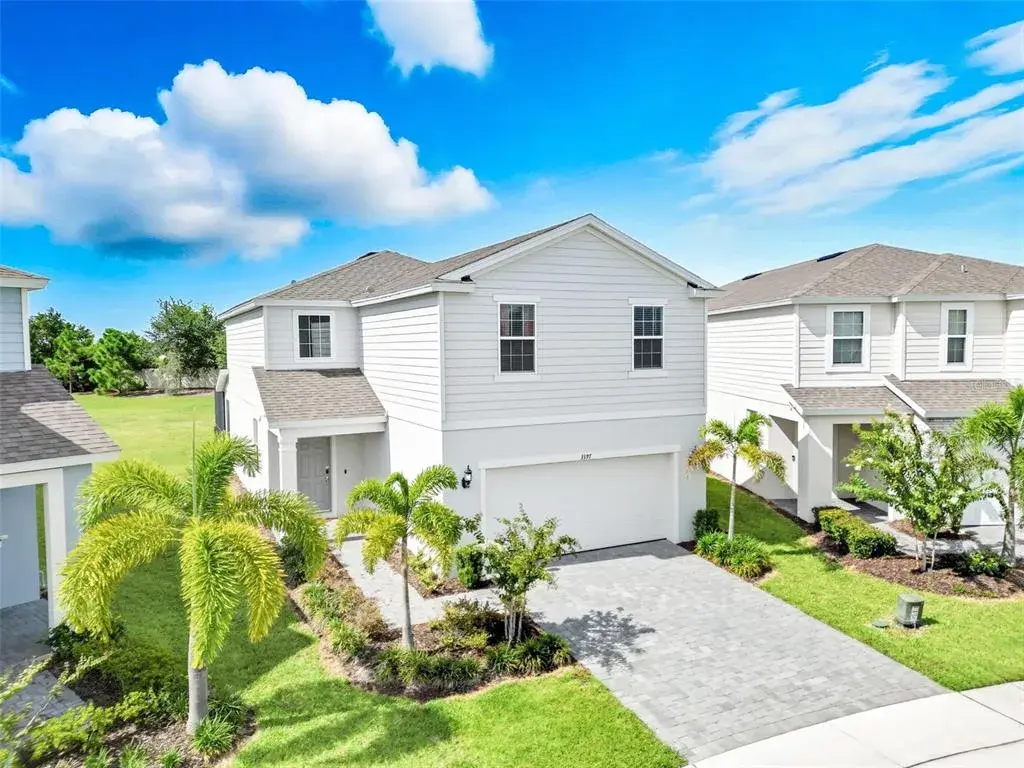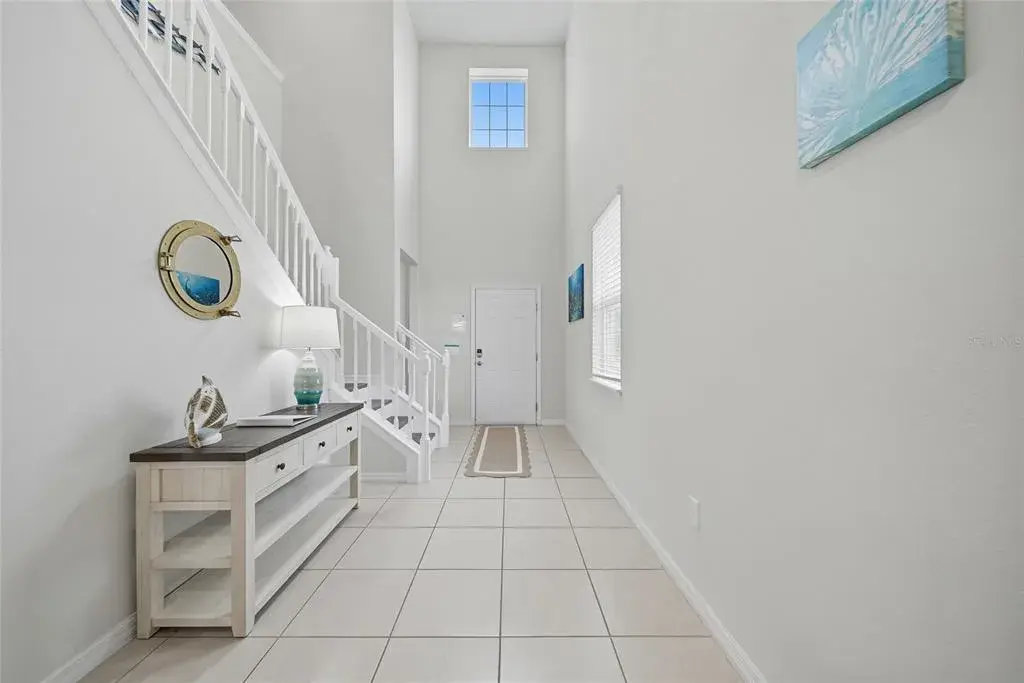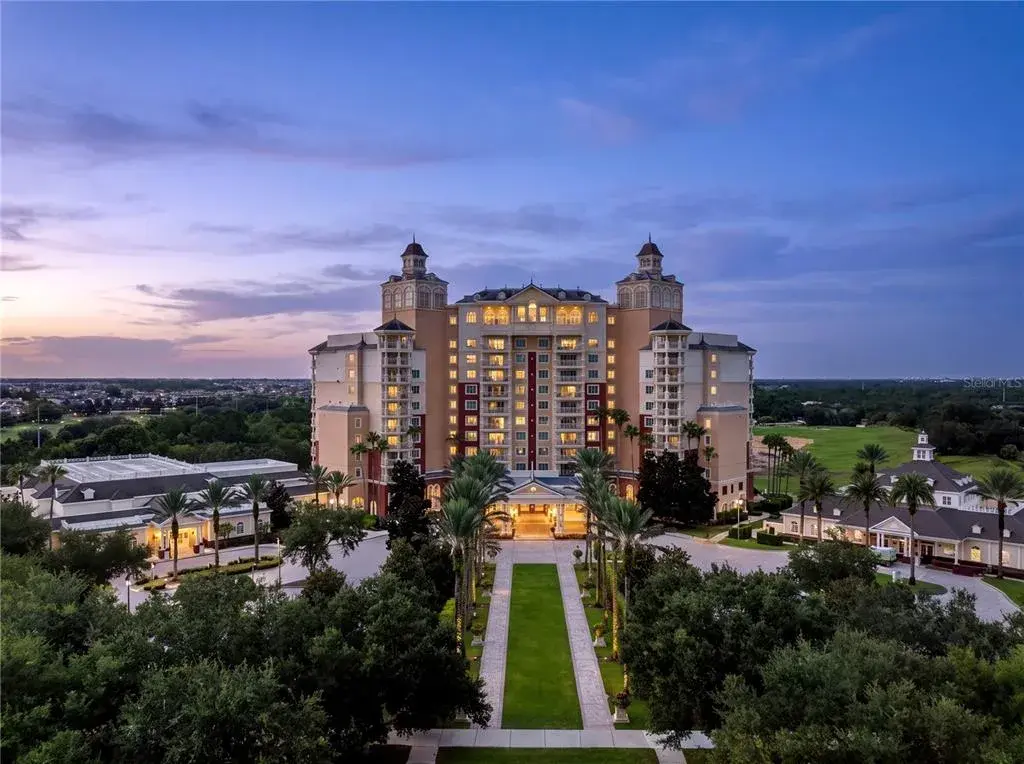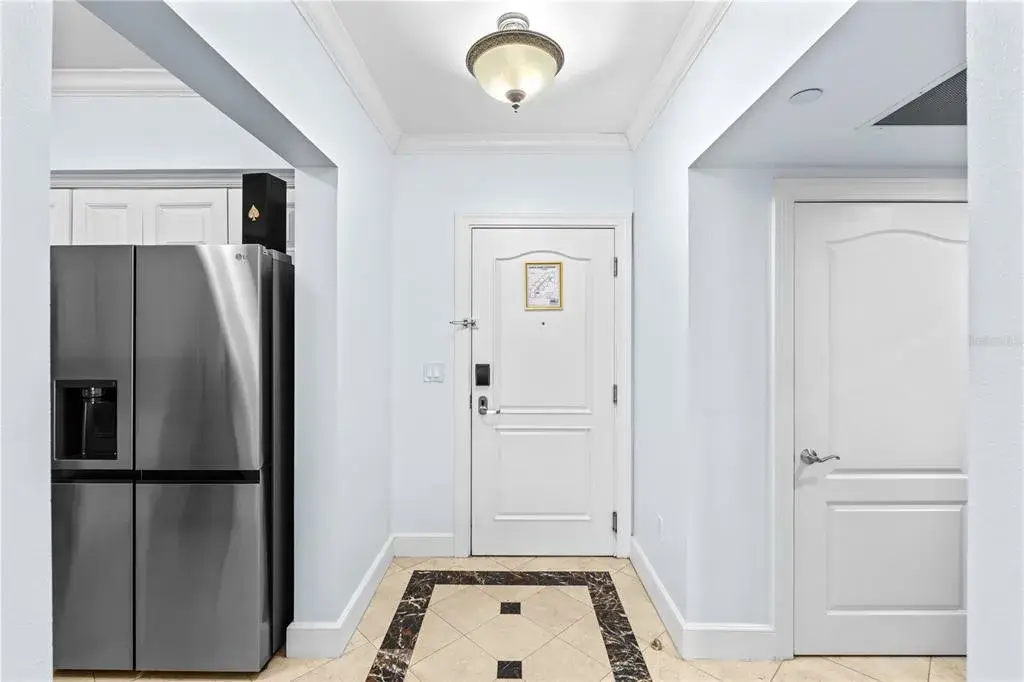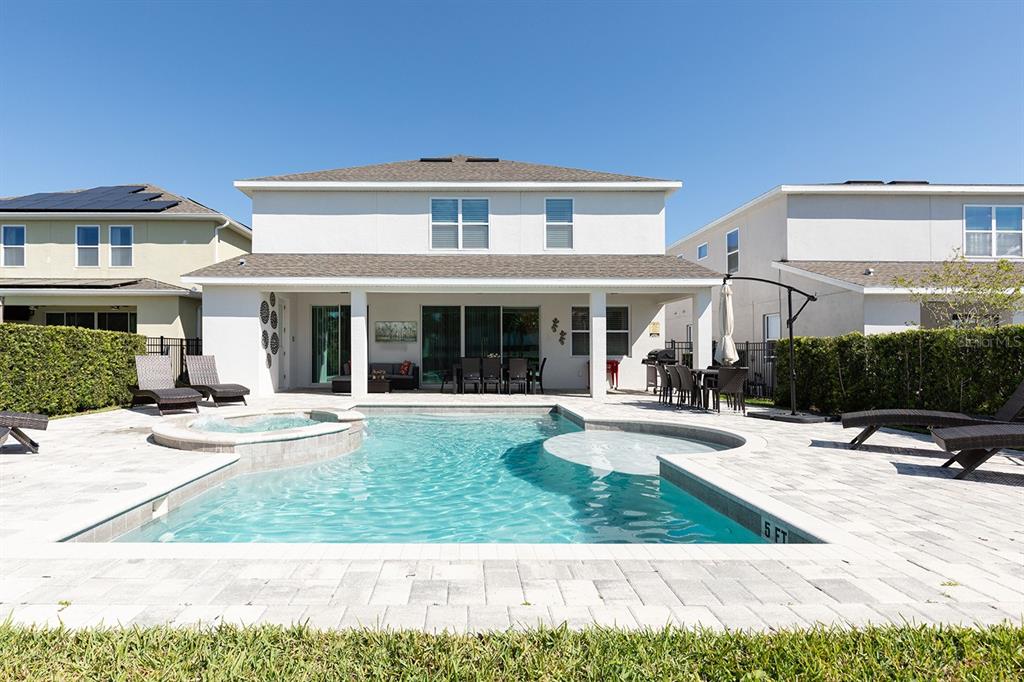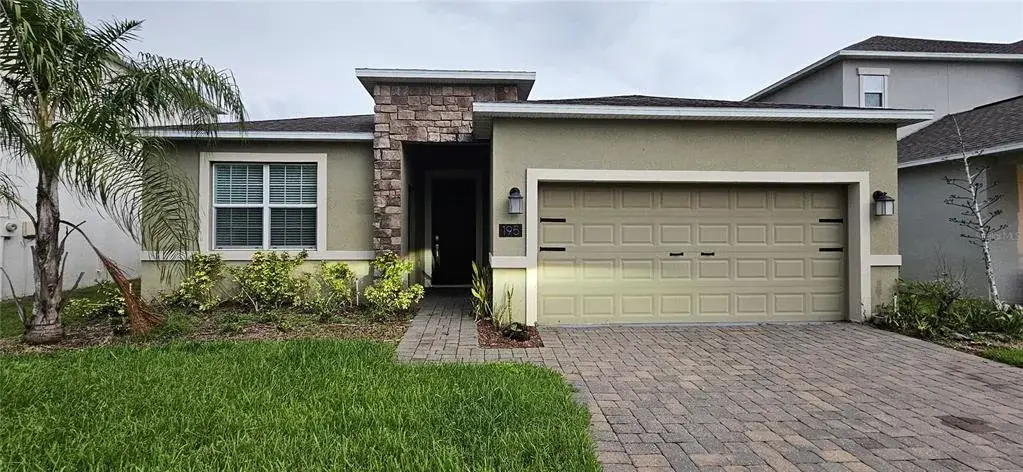
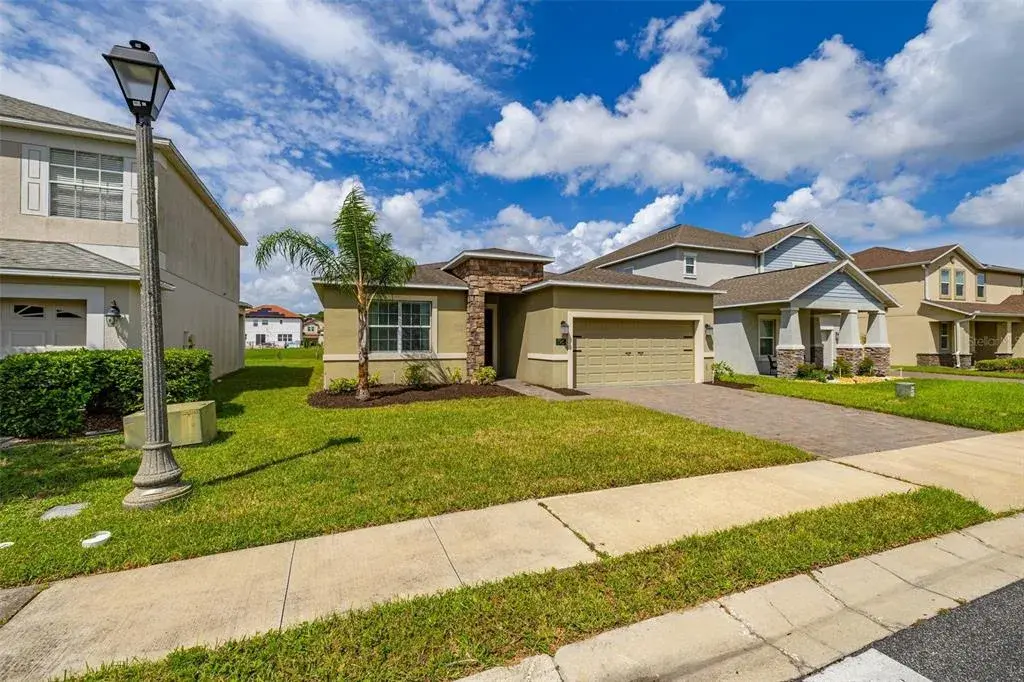
 53 days on market
$419,900Price reduced by $10,000 on Oct 4, 2026
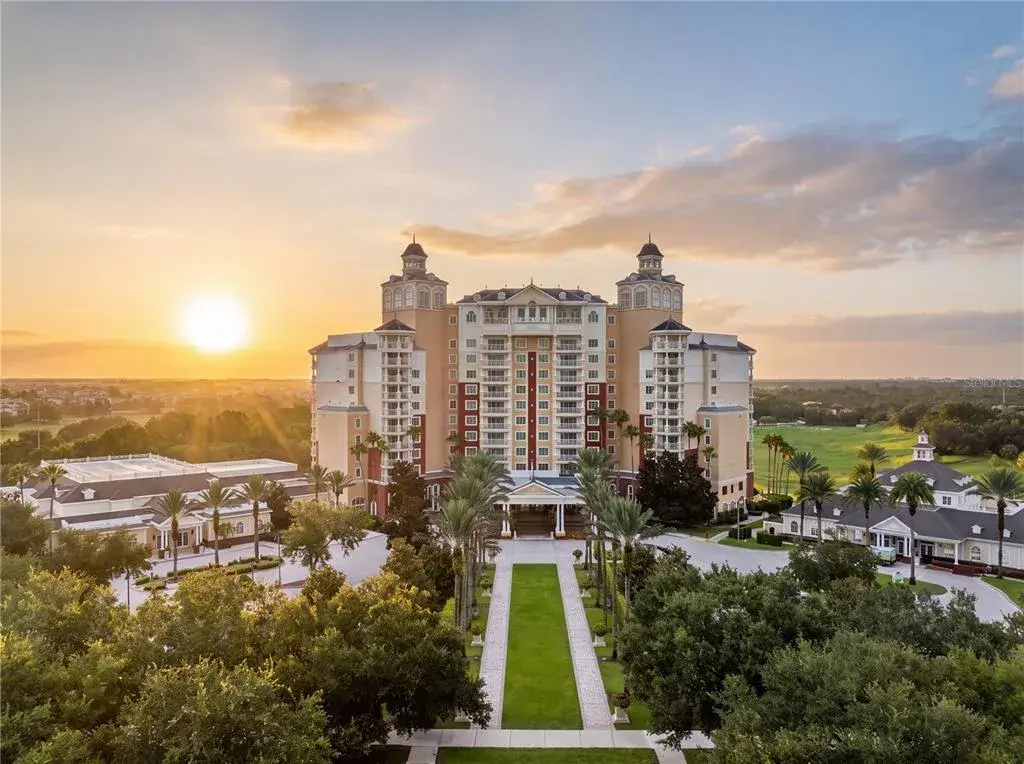
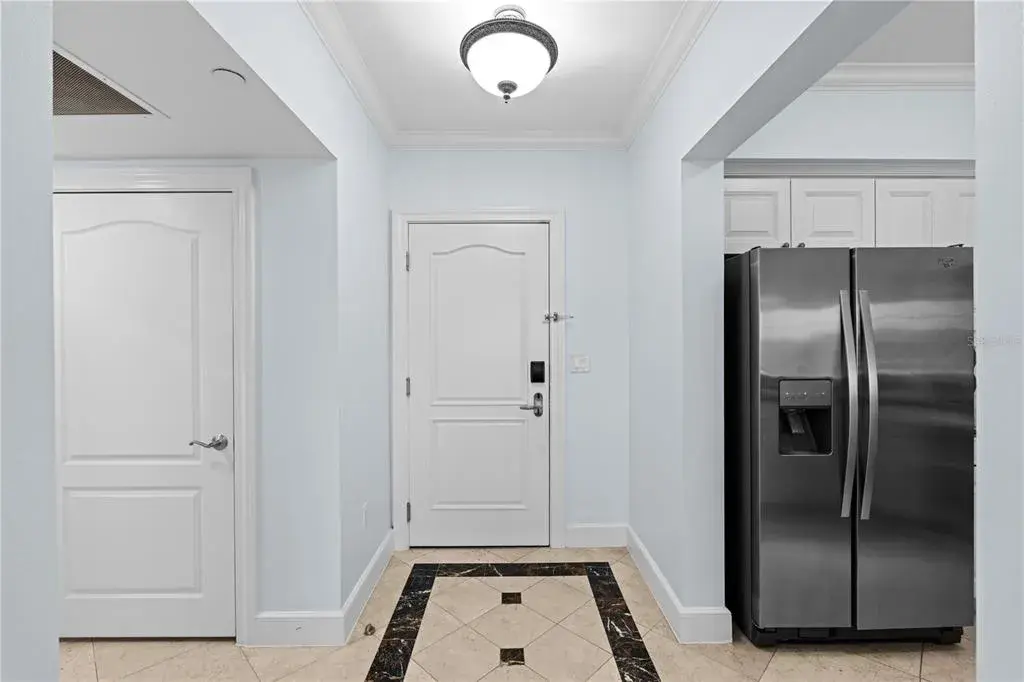
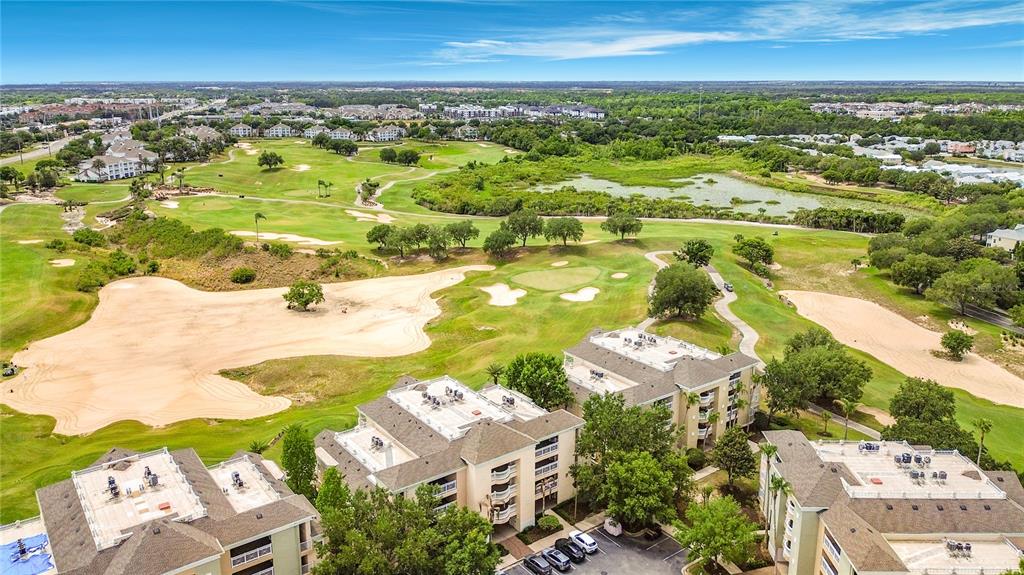
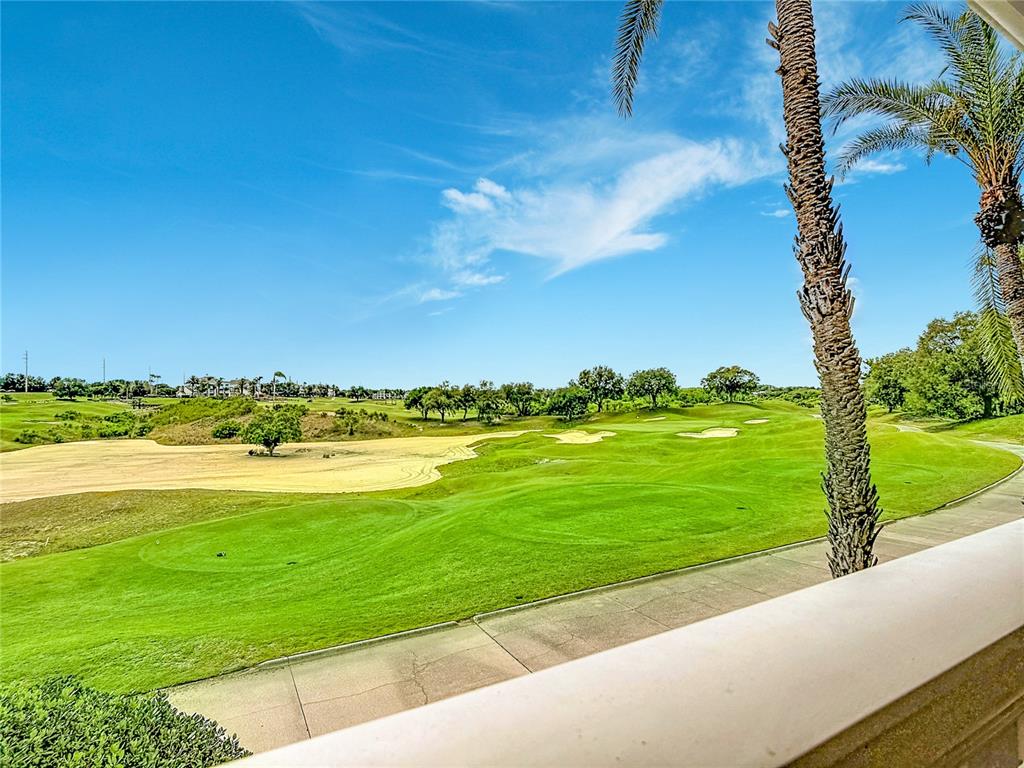
195 Preston AvenueDavenport, FL, 33837
- 4 beds
- 3 baths
- 2,101 sqft
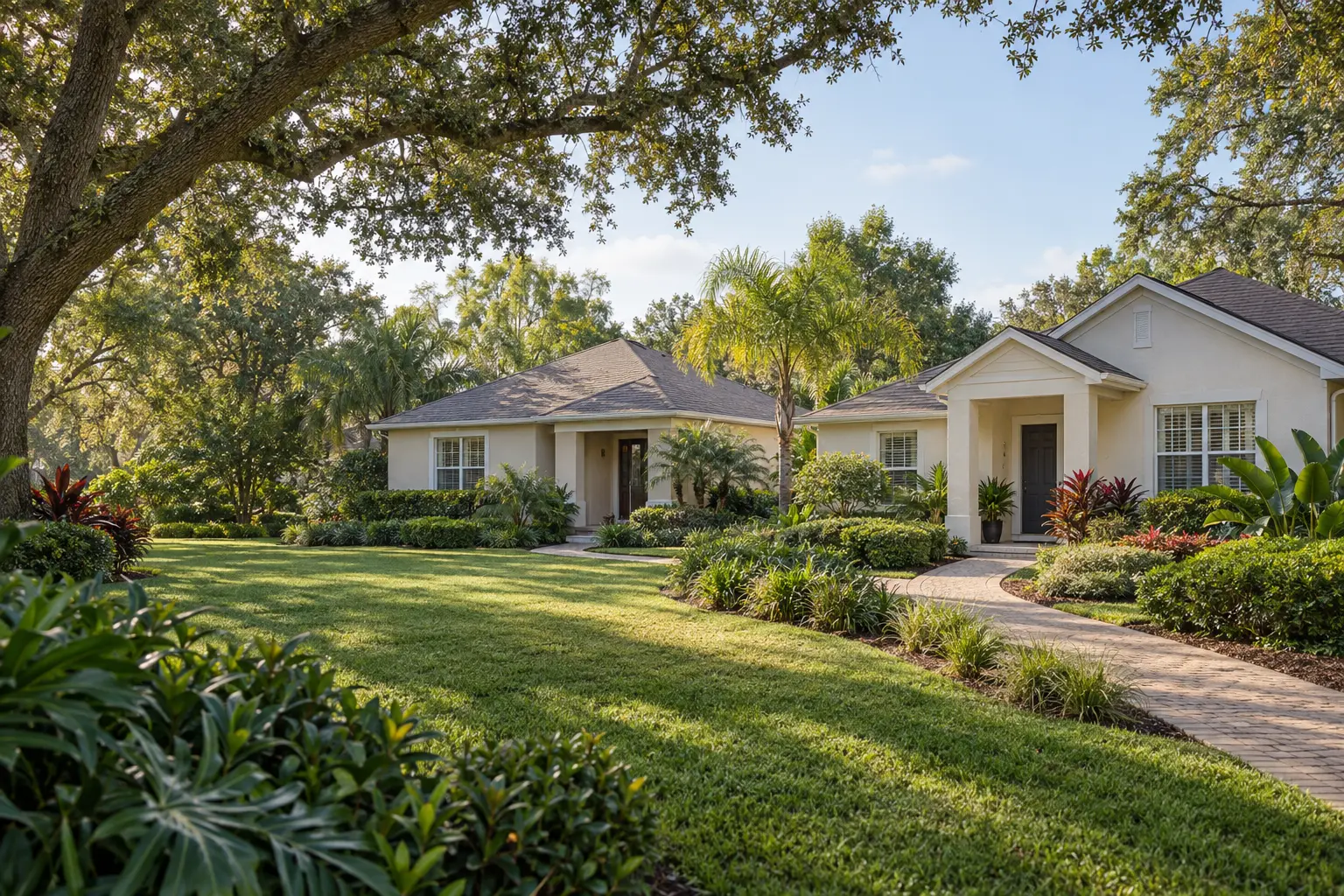
Central Florida buyer guide
Compare Orlando homes for sale with our team. Explore our condo vs detached home and review the actual property's setting and ownership details.
The live comparison uses the selected saved boundaries. It is not every property in the wider region or a certification of rental eligibility, membership rights or the actual home's condition.
Compare Orlando homes for sale across vacation condos and detached homes with our team. We help you assess the actual property, maintenance responsibilities and complete ownership costs.
In an Orlando vacation condo vs single-family home comparison, your first decision is whether you want a place for occasional visits, a full-time residence or a property you might seek to rent. Those goals call for different checks. Orlando city limits are not the same as the wider Central Florida tourist area, which includes Kissimmee and the Davenport area; rules depend on the parcel's actual location. Explore Orlando-area vacation-home communities to consider different ownership settings, and browse Orlando villas for sale as a starting point for comparing detached homes.
Florida condominium duties depend on the declaration and budget under section 718.111, reviewed October 30, 2026. Check each property.
| Aspect | Condominium | Detached home |
|---|---|---|
| Purchase and closing costs | Get unit-specific purchase and closing figures; review project documents for other obligations. | Get home-specific purchase and closing figures; review any HOA obligations. |
| Maintenance responsibility | Association handles assigned common-property work; owner handles assigned unit work. | Owner generally handles building, grounds and any private pool; check HOA duties. |
| Fees and assessments | Review the budget, regular dues, reserves and any assessments. | HOA dues or assessments may apply; budget directly for owner upkeep. |
| Insurance | Compare the association master policy with unit-owner coverage. | Obtain coverage for the building and intended use; check flood separately. |
| Amenities | Shared facilities depend on the community and its budget. | Private features and any HOA facilities depend on the property. |
| Privacy and control | Shared property and association rules shape your options. | Typically more private control, subject to any HOA rules. |
| Personal-use restrictions | Check recorded owner-use terms and any rental-pool agreement. | Check any HOA rules affecting residence and personal use. |
| Rental flexibility | Local rules and condo documents determine whether proposed use is allowed. | Local rules and any HOA documents determine whether proposed use is allowed. |
Make a worksheet for each actual property rather than assuming one ownership type costs less. Start with its purchase and closing figures, then add property taxes, insurance quotes, utilities, association dues and assessments, and repairs you would fund directly. Include exterior, yard or pool upkeep only where those responsibilities apply; add management costs only if your intended use calls for them. A condo can place shared costs in its association budget, while a detached home may put comparable work directly on your household budget. Ask what each quoted fee covers before comparing totals.
Florida Statutes section 718.111, reviewed October 30, 2026, assigns specified condominium property to association insurance while excluding items such as unit contents, floor coverings, appliances and built-in cabinets from that coverage. Compare the association's master policy with a proposed unit-owner policy so you understand what you would insure yourself. For a detached home, seek building coverage suited to its intended use and occupancy. In either case, examine exclusions and deductibles, and check flood coverage separately. A property type alone cannot tell you the premium or the extent of coverage.
If you are relocating, start with year-round occupancy rights and the property's suitability for everyday life, not the appeal of shared facilities on occasional visits. Read the recorded condo documents, owner-use provisions and any rental-pool agreement before assuming you can live in a resort condo without restriction. Florida Department of Revenue guidance reviewed October 30, 2026, distinguishes a qualifying permanent residence from a vacation property for homestead purposes; the county property appraiser determines eligibility. Personal-use freedom and tax eligibility are separate questions.
Top Villas Intelligence
Create a free account to see projected rental revenue, ownership costs and operating yield on every eligible listing.
Short-term letting is a separate, address-specific question for either property type. Orlando's home-sharing guidance, reviewed October 30, 2026, describes a resident-present registration program, not blanket permission for an individual homeowner to rent an entire home for short stays. If an address is outside Orlando city limits, establish its governing municipality or county before checking local rules. Then read the condo or HOA documents and any rental-pool terms. Florida's distinct vacation-rental license categories for condominiums and dwellings do not override zoning or association restrictions. For a closer look at the checks, read our guide to renting out a home near Disney.
Tell a licensed lender whether you intend to use the property as a principal residence, second home or investment property. If you are considering a condo, ask the lender to assess the project as well as your finances and the individual unit. Fannie Mae's occupancy-types guidance, reviewed October 30, 2026, includes second-home criteria concerning part-year borrower occupancy, year-round suitability and owner control. Hotel-like operations or mandatory rental pooling can also raise project-eligibility questions. Those are Fannie Mae criteria, not terms that every lender applies to every property.
Work through these checks for the specific address before deciding which property fits your plans.
Identify whether the parcel is inside Orlando city limits or governed by another municipality or county. Write down whether you intend to live there full time, visit periodically or explore rental use. Each goal calls for different document checks.
For a condo, request the declaration, bylaws, rules, current budget, financial statements, assessments and master insurance policy. Ask for applicable inspection reports and the structural integrity reserve study, if applicable. Florida's 2026 condominium resale-disclosure provisions in section 718.503 identify documents to review; inspection requirements do not apply to every building.
For a detached home in an HOA, obtain the governing documents, dues information and any assessment notices. Establish which exterior work belongs to you and which, if any, belongs to the association. Review rules affecting how you expect to use the home.
Arrange a property-condition review and obtain insurance quotes suited to your intended occupancy. For a condo, compare the master policy with unit-owner coverage; for a detached home, examine building coverage. Check flood coverage separately and compare deductibles as well as premiums.
Before relying on a property for year-round living or short-term letting, seek written confirmation of applicable occupancy and rental restrictions. Check the governing local rules and association documents separately; a rental license category alone does not establish permission at the address.

Gaby Sadler
Property Specialist, Serhant
Considering Orlando homes for sale? I'll help you apply this condo vs detached home to your shortlist, compare the actual property and ownership details, and plan your next steps.
The useful comparison is between specific properties and the way you intend to use them. Bring your cost worksheet, insurance questions and document checklist as you consider condos and detached homes; confirm any occupancy or rental plans before relying on them. We can help you focus your search on the space, upkeep responsibilities and ownership setting that matter to you. You can also explore Orlando villas for sale alongside the communities that interest you.
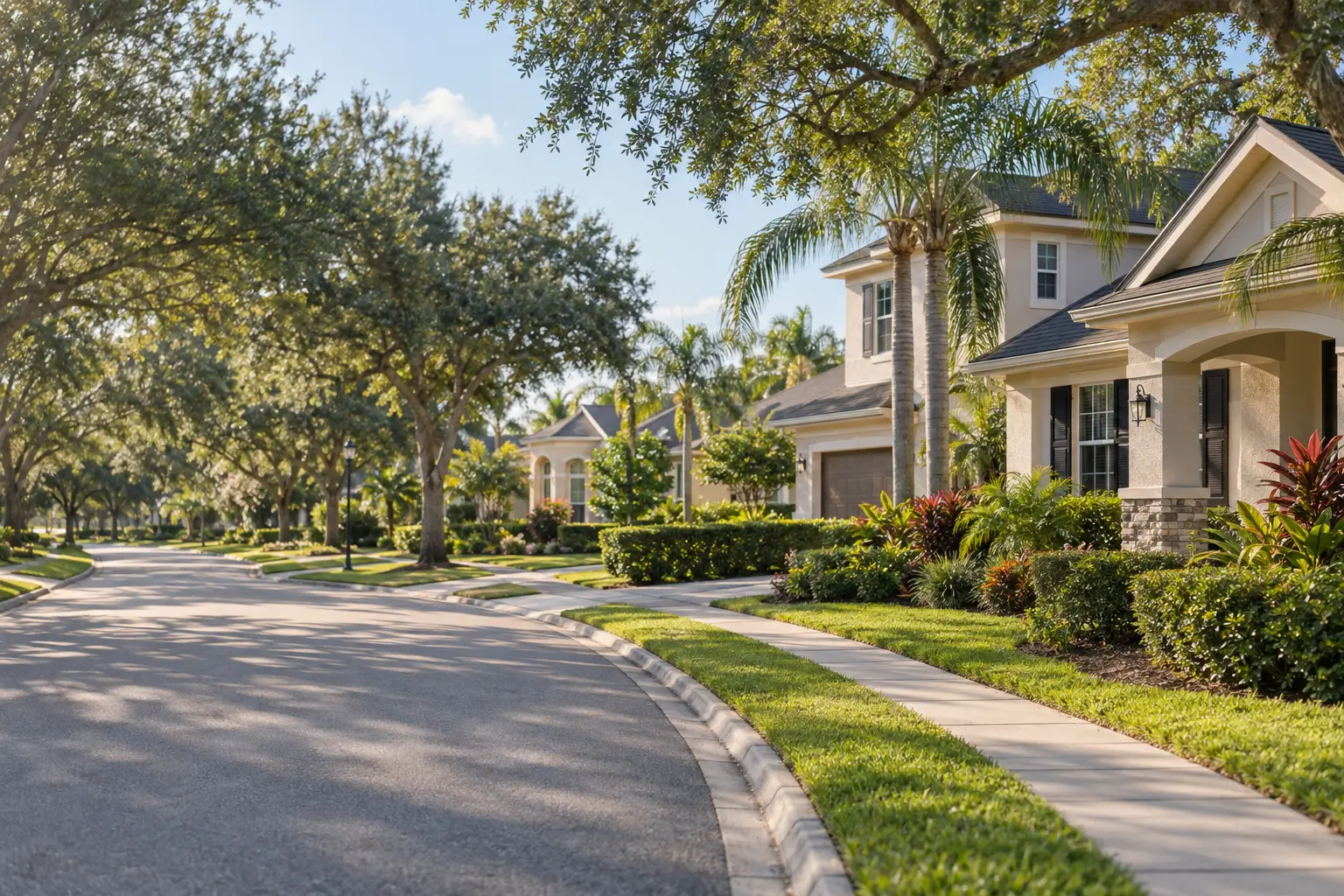 Orlando homes for sale: property buying guides
 Florida homes for sale: 1031 exchange guide
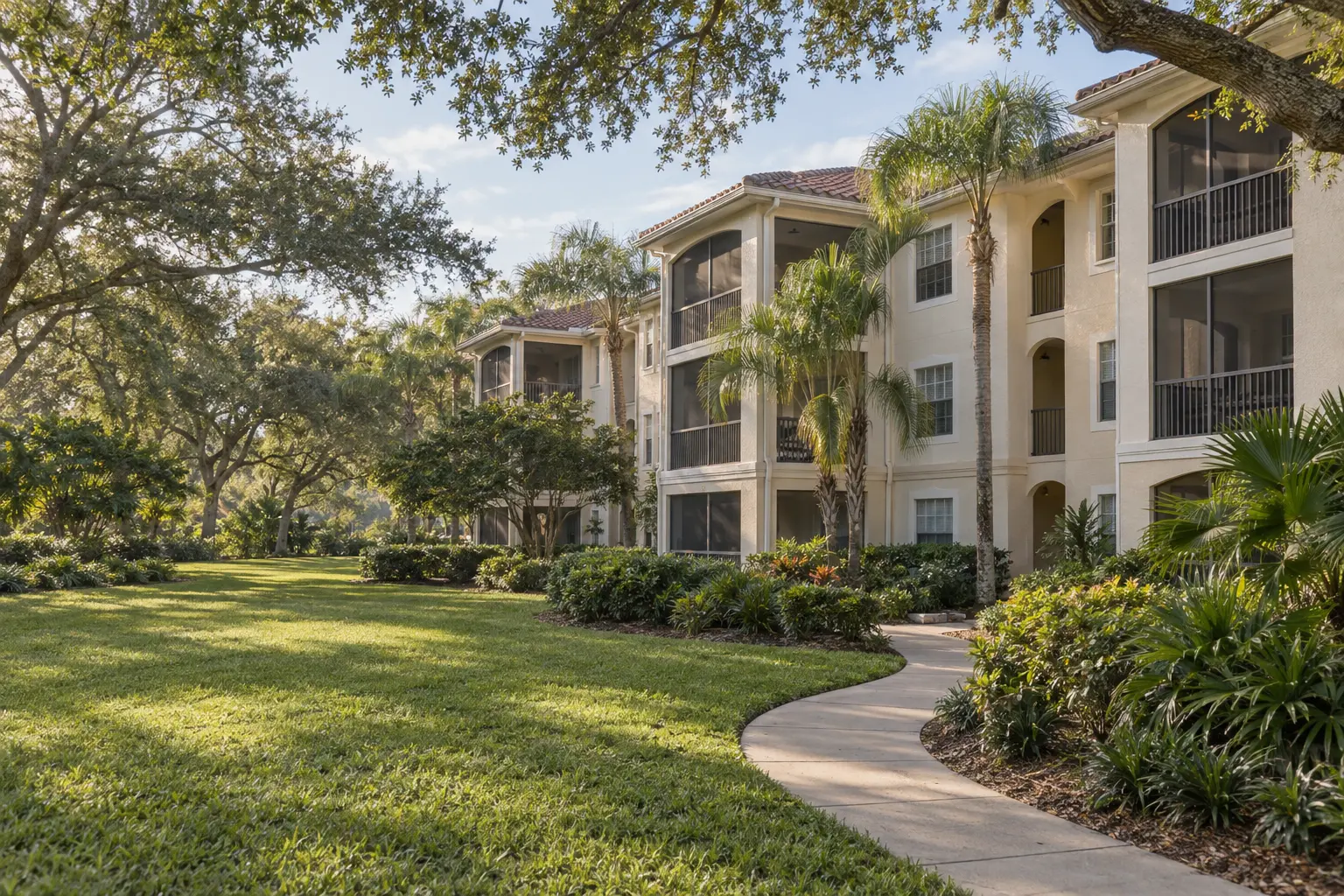 Florida homes for sale: condo document guide