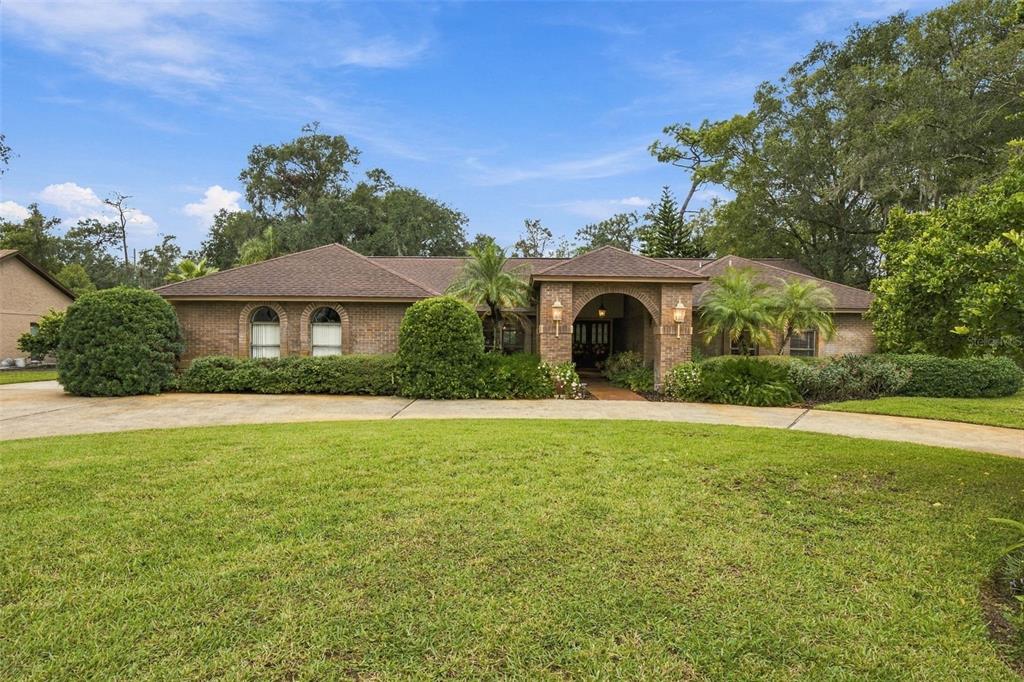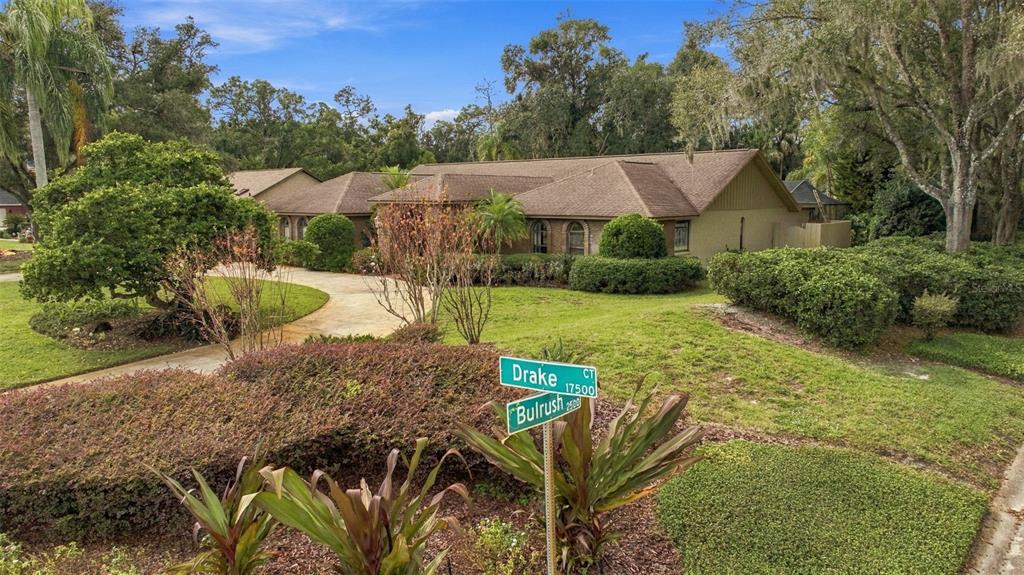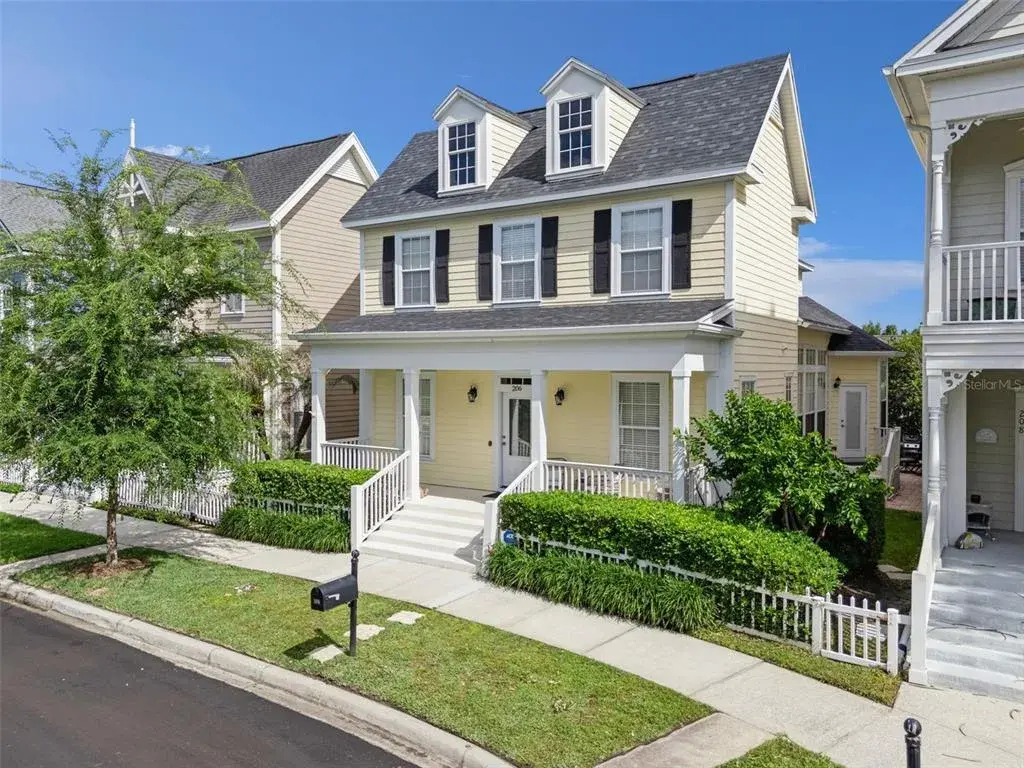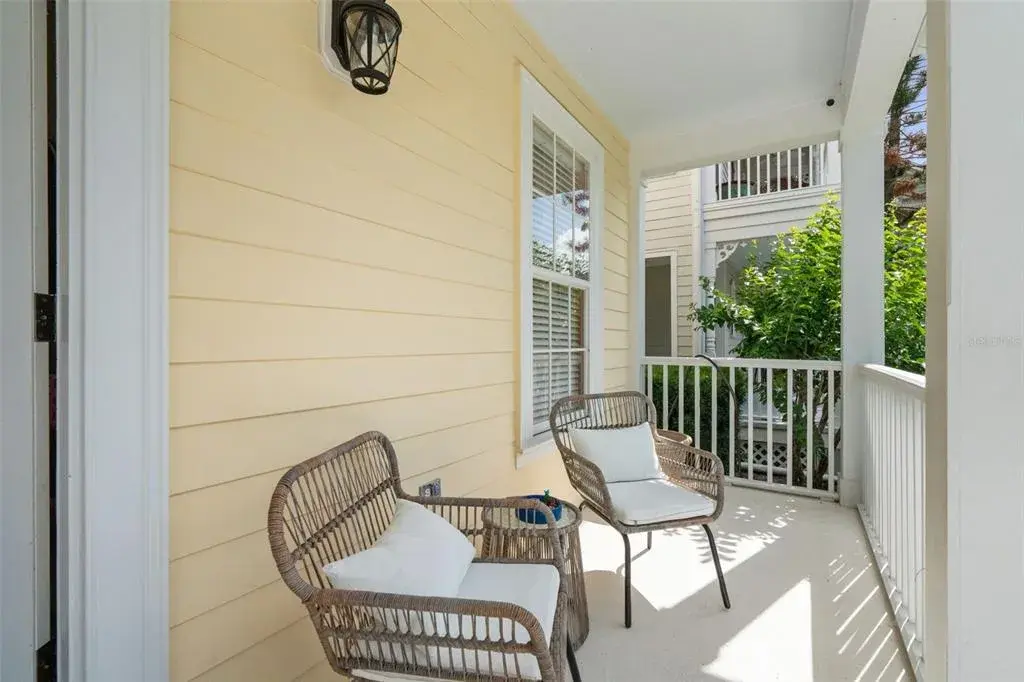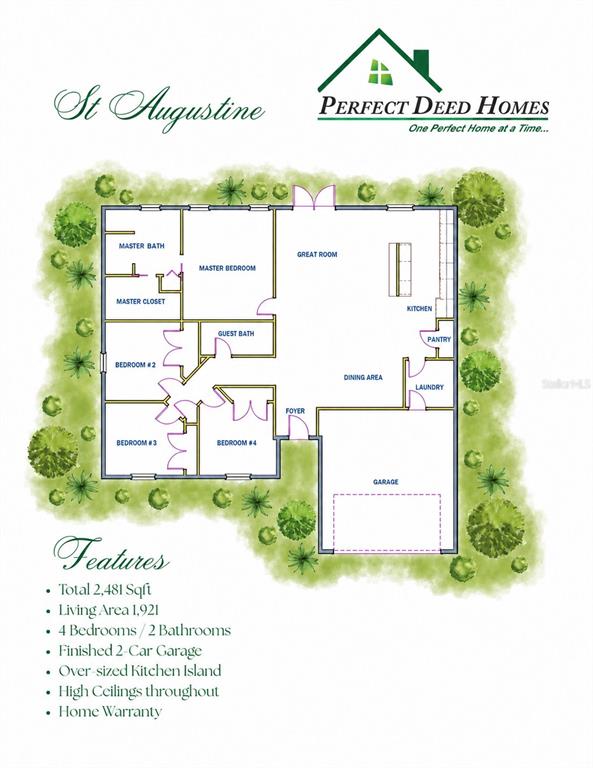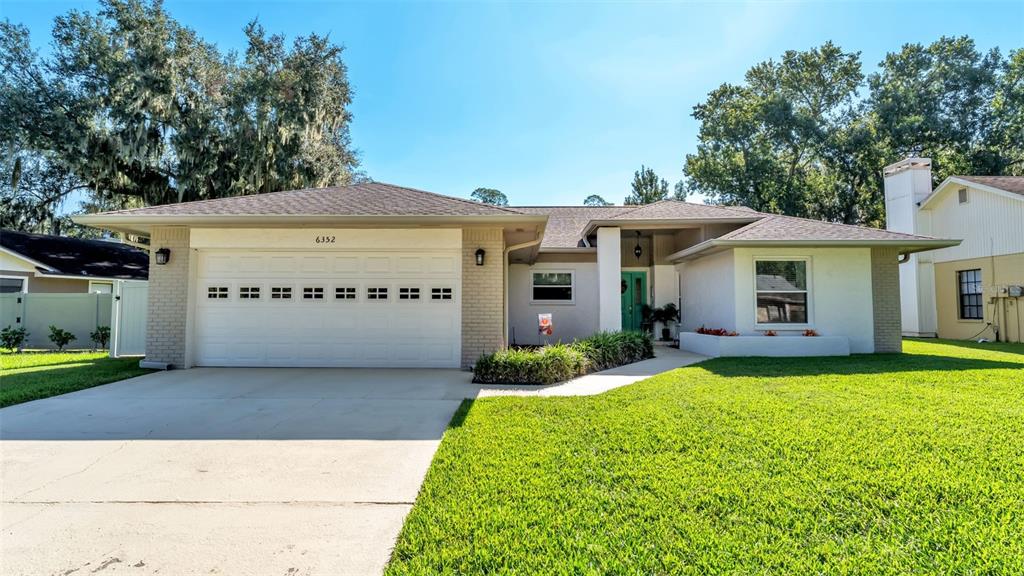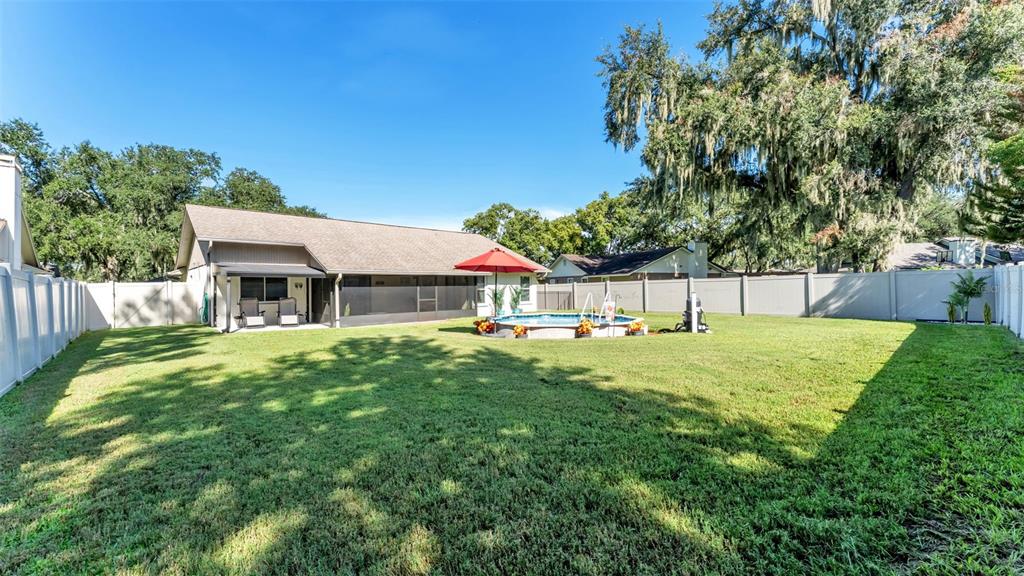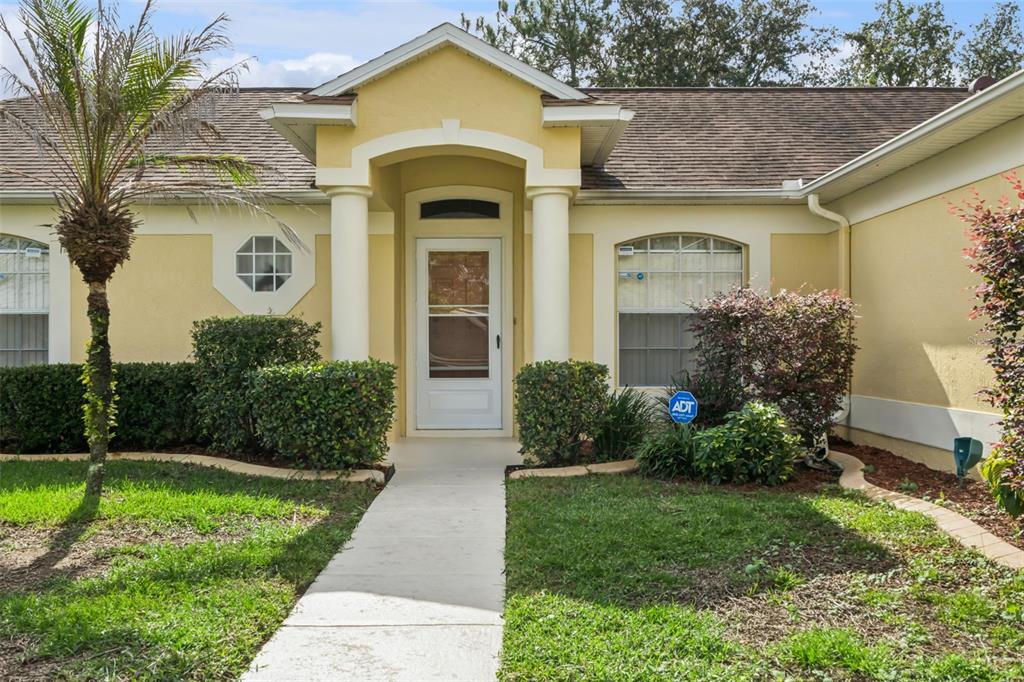
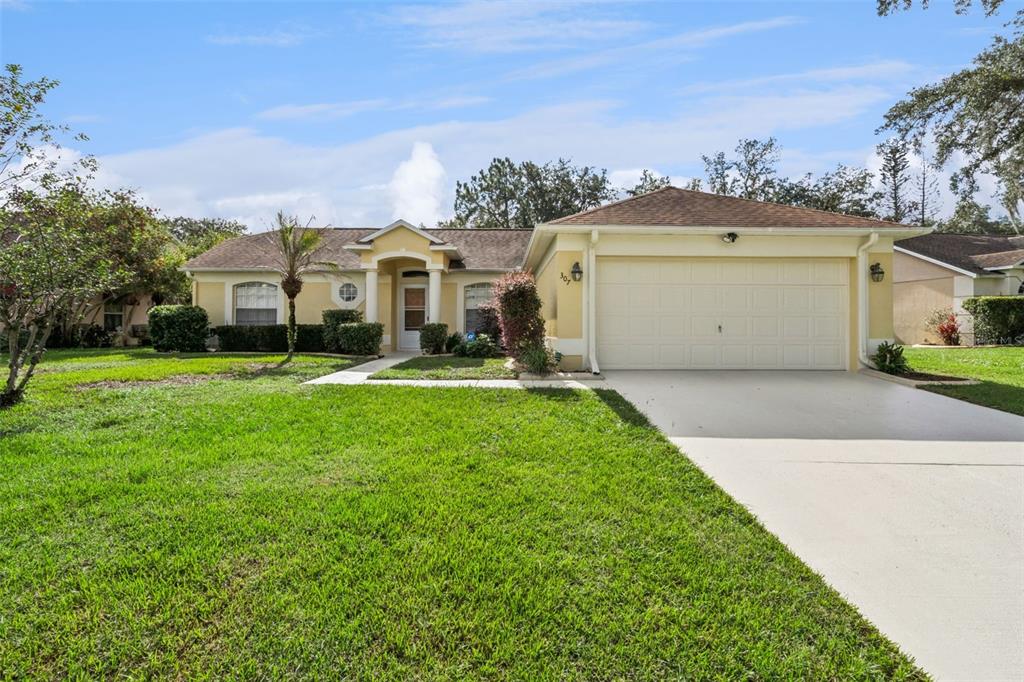
 1 day on market
$299,900
307 Hanging Moss RoadDavenport, FL, 33837
- 3 beds
- 2 baths
- 1,365 sqft

U.S. Property Buyer Guide
Compare Florida homes for sale as potential replacement-property candidates with our team, alongside the exchange structure agreed with your tax professional.
These Florida listings are property-search starting points. They do not establish Section 1031 eligibility or a tax outcome; assess each candidate alongside the exchange arrangement.
Compare Florida homes for sale as potential replacement-property candidates with our team, alongside the exchange structure agreed with your tax professional.
A qualifying 1031 exchange allows you to defer recognition of gain when exchanging business or investment real property for qualifying like-kind real property. This is tax deferral, not an unconditional exemption: the deferred gain is reflected in the replacement property's tax basis. We explain the general U.S. federal framework here, while your qualified tax professional determines individual eligibility and calculates the tax consequences of your transaction.
Eligibility depends on property use and the exchange requirements, not simply on finding another property to buy.
Business or Investment Use
Both the property you transfer and the replacement you acquire must meet business or investment-use requirements.
Personal-Use and Resale Exclusions
Solely personal residences and property held primarily for sale do not qualify. Expected appreciation alone does not make a second home eligible.
Like-Kind Does Not Mean Identical
Like-kind concerns nature or character, not identical buildings, quality or price. Improved and unimproved real estate can be like-kind.
Location Across National Borders Matters
U.S. real property is not like-kind to property outside the United States, even when both properties serve an investment purpose.
These steps describe a common qualified-intermediary structure for a delayed exchange, not every possible exchange arrangement.
Before the sale
Review the property's use, your proposed replacement and the transaction structure with a qualified tax professional and exchange specialist. Establish whether an exchange could qualify before committing to a sale, and consider whether the purchase fits your ownership goals independently of tax treatment.
Before closing
Arrange the qualified intermediary and written exchange agreement before the sale closes. This structure restricts your access to exchange funds. Actual or constructive receipt of proceeds can defeat exchange treatment; an ordinary cash sale followed by a purchase does not automatically qualify.
Within 45 days
After transferring the relinquished property, deliver a signed written identification to an eligible transaction participant, describing each replacement unambiguously. You may identify three properties regardless of value, or more under the alternative 200% aggregate-value rule. A separate 95% acquisition exception exists; identification is not an unlimited shopping list.
By the applicable deadline
Receive the replacement by the earlier of 180 days after the transfer or your federal return due date, including extensions, for the transfer year. The identification and completion periods overlap: you do not have 45 days plus another 180 days.
With the transfer-year return
Report the exchange on Form 8824 with your federal return for the year you transferred the relinquished property. Your tax professional can address the reporting and calculations, including any recognized gain and the replacement property's basis.
Top Villas Intelligence
Create a free account to see projected rental revenue, ownership costs and operating yield on every eligible listing.
A second home is not automatically eligible, but Revenue Procedure 2008-16 provides a dwelling-unit safe harbor for qualifying use. It requires at least 24 months of ownership immediately before the exchange for the property transferred, or immediately afterward for the replacement property. In each relevant 12-month period, the dwelling must be rented at fair rental for at least 14 days. Personal use cannot exceed the greater of 14 days or 10% of fair-rental days. This safe harbor addresses qualifying use, not every exchange requirement, and is not a universal holding rule. It also does not establish whether a particular property permits short-term rentals.

Gaby Sadler
Property Specialist, Serhant
Comparing Florida homes for sale? I'll help you apply this 1031 exchange guide to your shortlist, review the actual property and ownership details, and plan the next steps.
Explore homes for sale with us as you consider your next purchase. We can help you focus your property search, while your tax professional and exchange specialist assess eligibility, timing and tax calculations. Compare each property's suitability for your intended use alongside the exchange requirements, rather than letting a deadline become the main reason you buy.
Explore homes for sale in these communities and areas. Your tax professional should assess any property's eligibility for a 1031 exchange.
 Orlando homes for sale: property buying guides
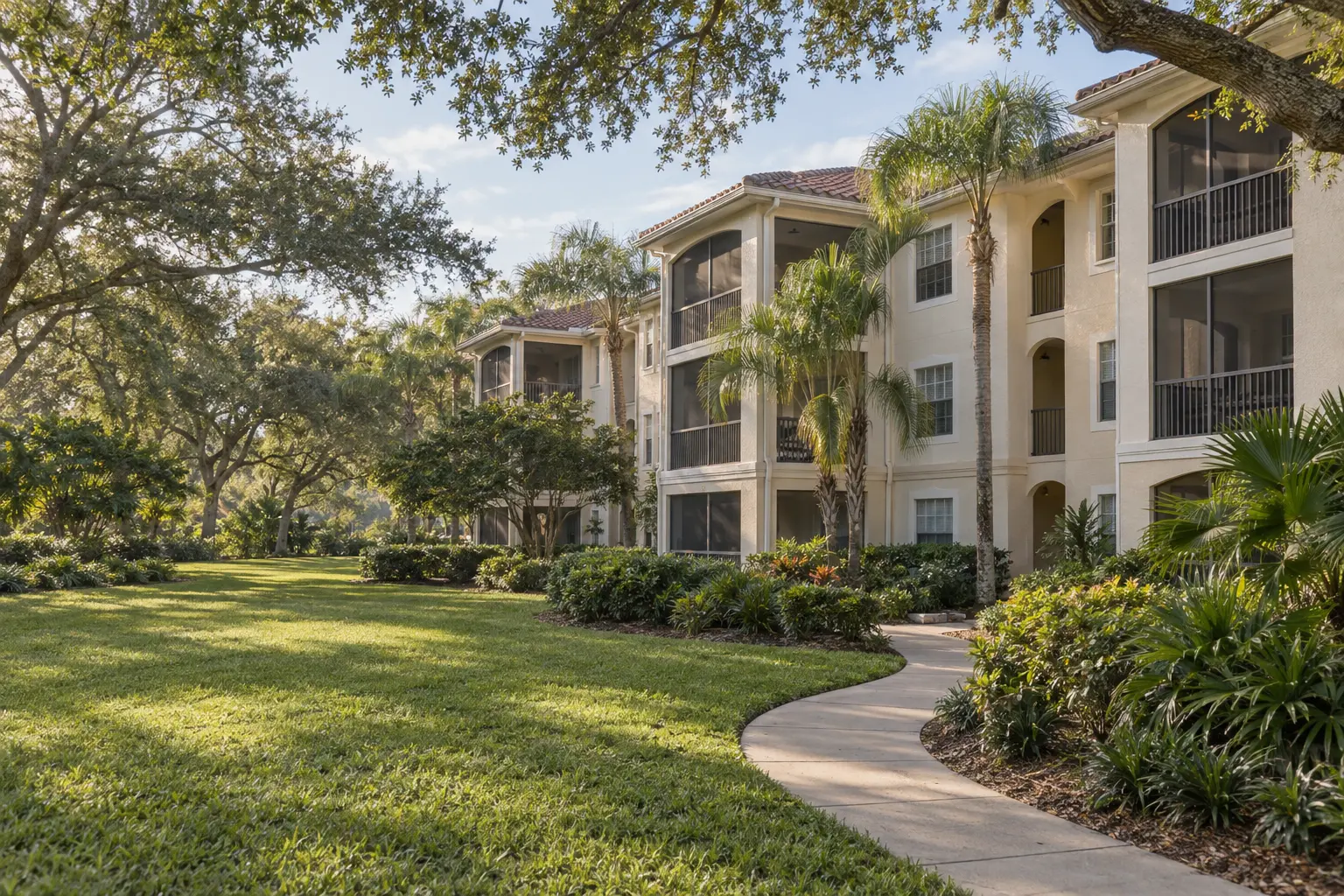 Florida homes for sale: condo document guide
 Florida homes for sale: existing booking guide