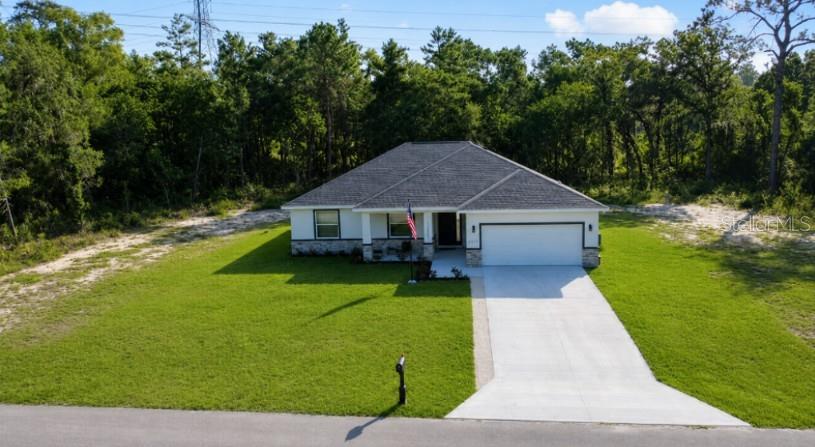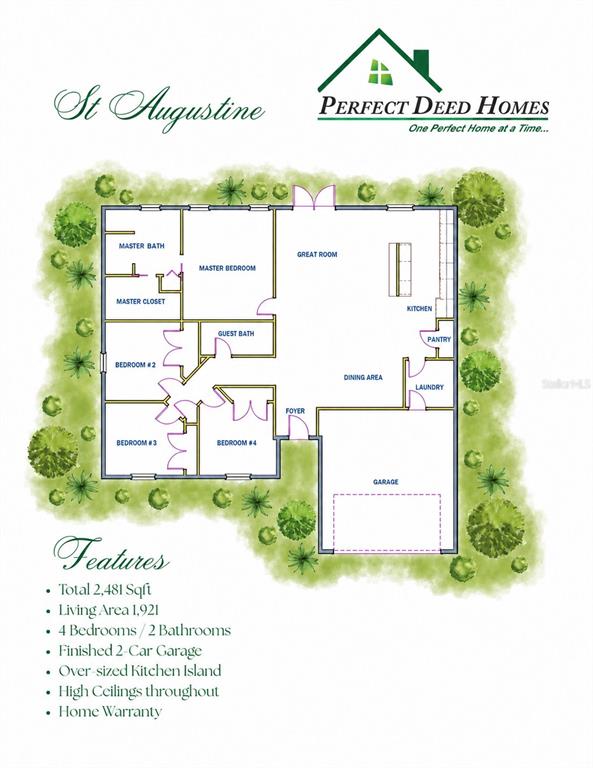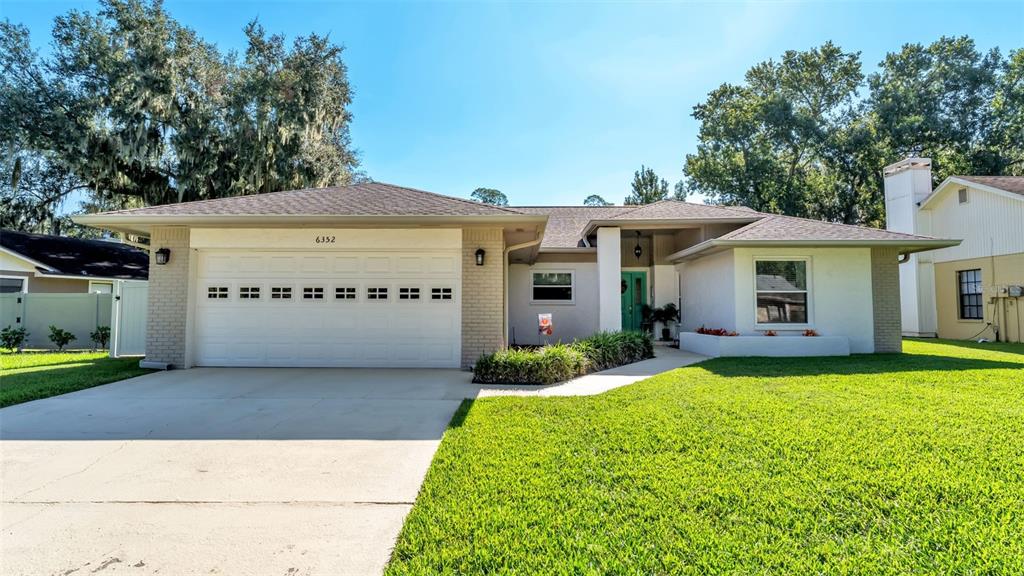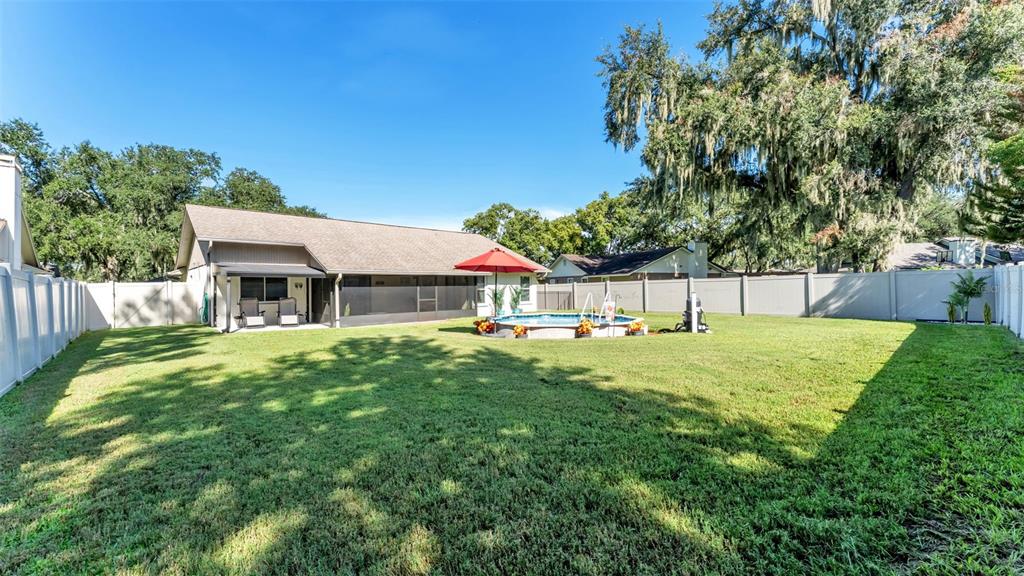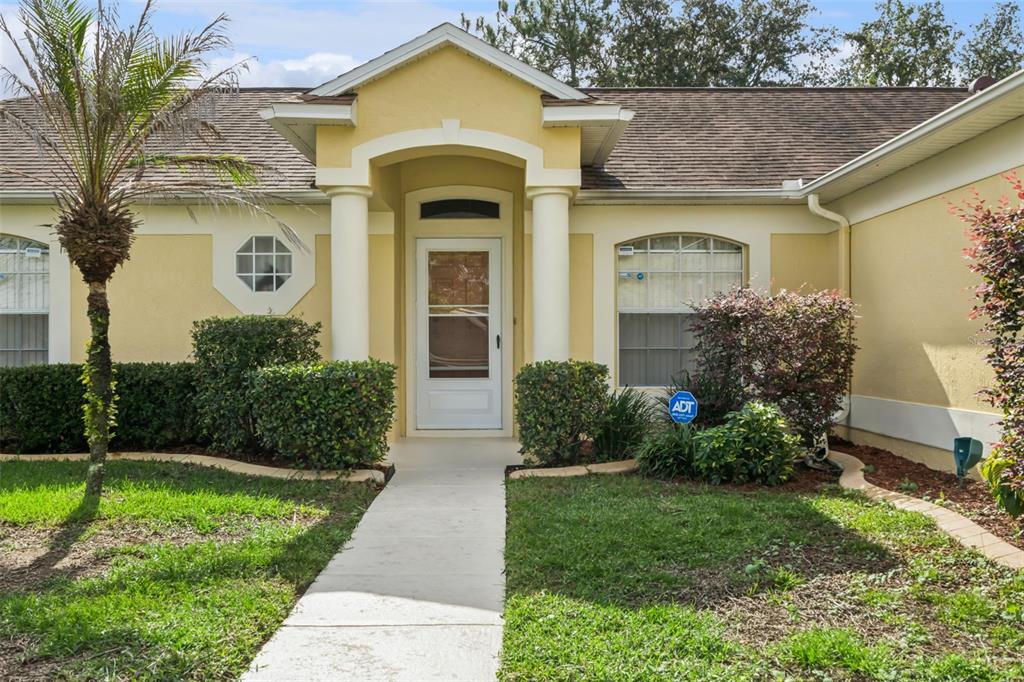
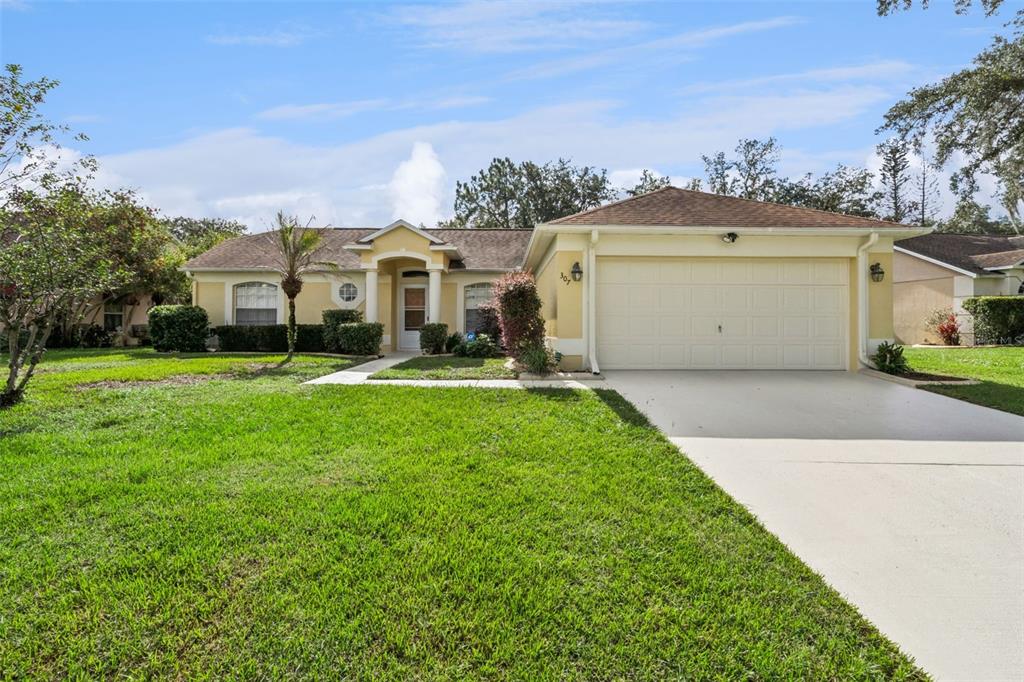
 1 day on market
$299,900
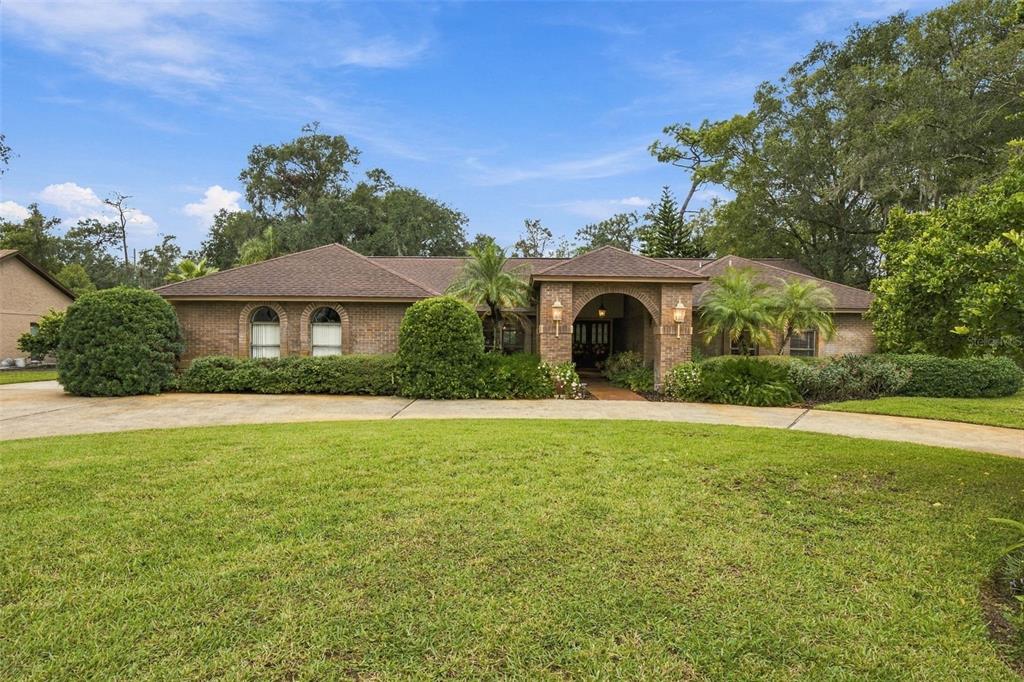
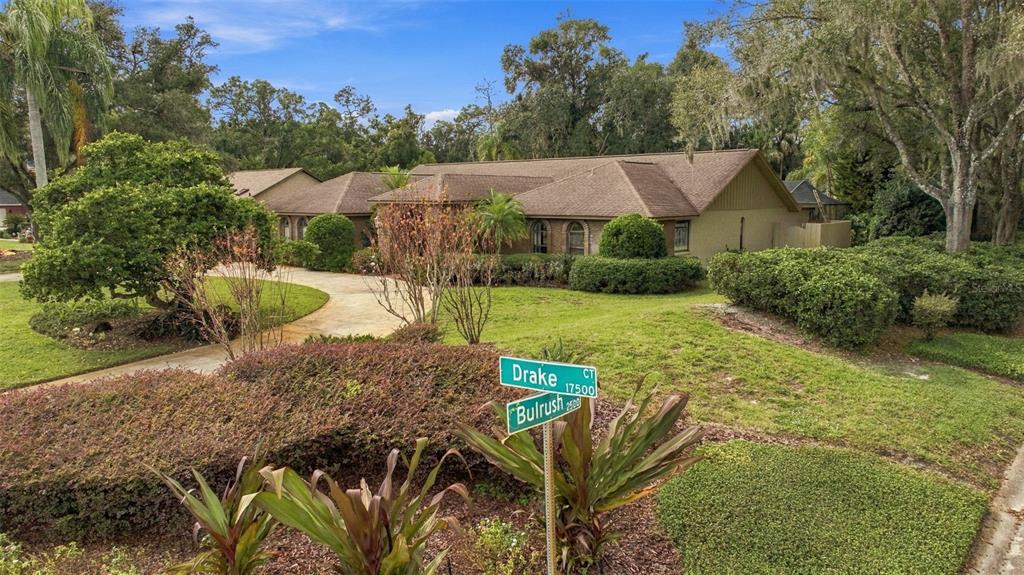
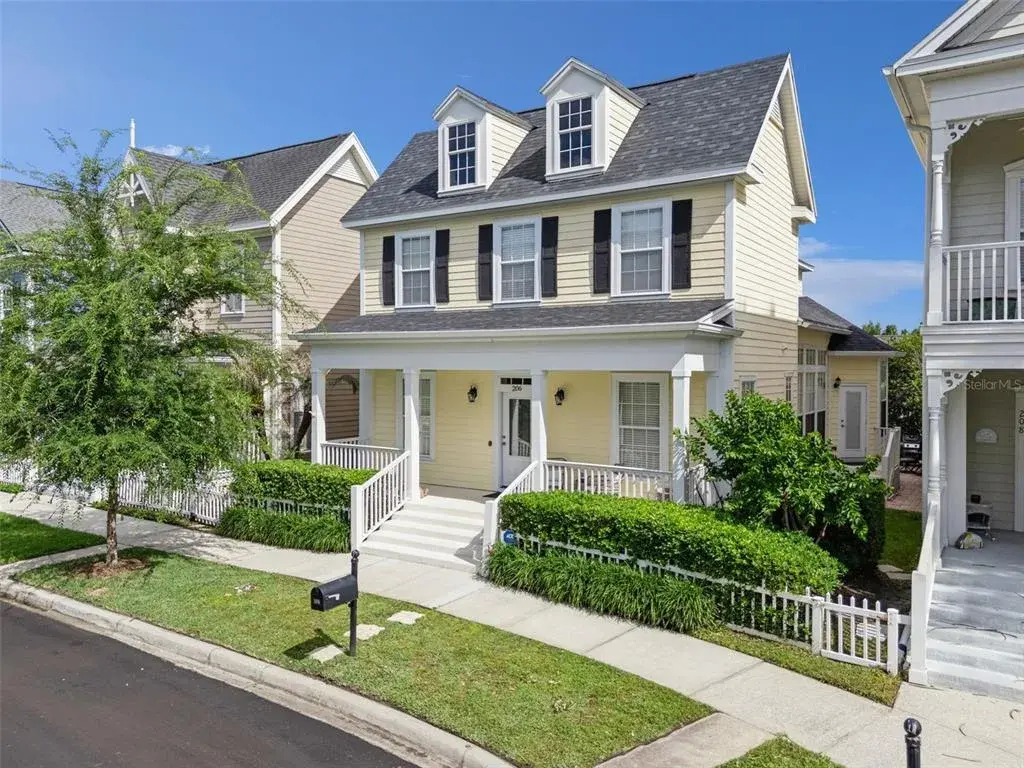
307 Hanging Moss RoadDavenport, FL, 33837
- 3 beds
- 2 baths
- 1,365 sqft
Central Florida buyer guide
Compare Florida homes for sale with our team. Explore our condo document guide and review the actual property's setting and ownership details.
The live listings provide a mapped property comparison. Review the specific home's condition, service inclusions and ownership obligations before relying on a community description.
Compare Florida homes for sale with a clear view of the condo documents that matter to the purchase. We help you gather property information and identify the questions to resolve with your advisers.
Our Florida condo documents buyer checklist starts with the property’s legal form. Chapter 718 governs Florida condominiums; cooperatives and homeowners’ associations have separate statutory regimes. For a nondeveloper residential condo resale, section 718.503 identifies documents the seller must provide to a purchaser under contract, at the seller’s expense. The checklist below separates those deliveries from additional records worth requesting through the seller or association. Under section 718.112, an owner or the owner’s authorized representative has association-record inspection rights; merely considering a purchase does not automatically give you those rights.
The seller-delivery column applies to nondeveloper residential condominium resales under Florida law; the other column contains useful additional requests.
| Aspect | Section 718.503 resale delivery | Request separately |
|---|---|---|
| Governing documents | Current declaration, association articles, bylaws and rules. | Recorded amendments; ask which version governs the unit. |
| Finances | Annual financial statement and budget. | Proposed budget, reserve schedules and assessment notices. |
| Association decisions | The statutory condominium FAQ document. | Recent board and owner meeting minutes. |
| Building condition | Applicable milestone summary and turnover-inspection report; latest SIRS or statement that none is complete. | Relevant full inspection reports, repair updates and funding decisions. |
| Insurance and disputes | Not part of this seller-delivery list. | Current insurance policies and information about pending litigation. |
The recorded declaration establishes the condominium’s property interests and obligations. Amendments can change its terms; bylaws govern association operations, while rules address conduct and use. For pets, parking, occupancy or renting, find the current provision that applies to the particular unit and ask how it interacts with other documents. Do not infer short-stay permission from a listing or resort-style surroundings. Florida Statutes section 718.110(13) addresses which owners are affected by certain rental-restriction amendments, so effective dates and ownership history can matter. Check association requirements and local rules for the parcel’s actual jurisdiction.
Read the adopted budget beside any proposed budget, the annual financial statement, reserve schedules and recent minutes. Compare planned contributions with the applicable structural integrity reserve study funding schedule and ask which components the association must maintain. A reserve balance is only a starting point: it does not show whether upcoming repairs are fully funded. Look for discussion of borrowing or assessments and distinguish a proposal from an approved charge. Condo assessments are separate from property taxes; our Florida property tax guide explains the latter.
Ask for answers tied to the unit, building and current association records.
Maintenance responsibility
Which building components does the association maintain, and which repairs are planned?
Repair funding
How does the budget account for planned work, and are other funding decisions under discussion?
Assessment status
Has a special assessment been approved, or has the board only discussed one?
Reserve-study assumptions
If a SIRS applies, what assumptions and funding schedule does it use? Has a funding decision changed?
Recent decisions
What do recent minutes say about repairs, borrowing, assessments and decisions still pending?
Florida’s milestone-inspection and structural integrity reserve study rules depend on the building and statutory criteria, not simply its condo label. The relevant height threshold is generally three or more habitable stories. A qualifying residential condo or cooperative building generally reaches its first milestone inspection at 30 years, then every 10 years; a local enforcement agency may require an initial inspection at 25 years based on local circumstances. A qualifying residential condominium association generally needs a structural integrity reserve study at least every 10 years, subject to exclusions and timing provisions. Ask for the certificate-of-occupancy date, local agency determination, available reports and repair status, or an explanation if a report is not complete. See Florida Statutes sections 553.899 and 718.112(2)(g).
Top Villas Intelligence
Create a free account to see projected rental revenue, ownership costs and operating yield on every eligible listing.
They answer different questions. One does not automatically replace the other, and neither requirement applies to every condo building.
| Aspect | Milestone inspection | Structural integrity reserve study (SIRS) |
|---|---|---|
| Purpose | Examines building condition and identifies required structural repairs. | Examines specified structural components and their reserve funding. |
| Applicability | Ask whether the building meets the habitable-story and age criteria, or has a local determination. | Ask whether the association and building meet the statutory criteria or an exclusion applies. |
| Documents and follow-up | Request the applicable inspector summary, full report and repair status. | Request the latest study, funding schedule or statement that no study is complete. |
Request the association’s current insurance policies and read them beside the declaration. Identify what the association insures, what falls to the unit owner, the deductibles, and where uninsured costs might arise. An insurance professional can help you consider coverage for your intended use. Ask about the status and scope of any disclosed litigation, including what the dispute concerns and whether it affects planned work. No mention in meeting minutes does not prove that no dispute exists. Florida condominium official-record provisions address insurance policies, but a prospective buyer does not automatically hold an owner’s record-inspection rights.
Florida’s resale disclosure provisions depend on the transaction. Have the dates and any unresolved documents reviewed rather than assuming one deadline fits.
Ask for the section 718.503 resale documents as soon as you are under contract, plus the separate review records in the checklist. For a nondeveloper residential resale, the statutory seven-day period excludes Saturdays, Sundays and legal holidays and is tied to contract execution and receipt of requested documents. Inspection and reserve-study disclosures can also affect the transaction; the law
Compare amendments with the declaration and rules, and minutes with budgets, assessments and repair plans. Flag different dates, unexplained changes and missing inspection or reserve-study material. Developer sales have different disclosure provisions, so have the rights and dates for your particular contract reviewed.
Check the parcel’s jurisdiction before applying local rules. An Orlando mailing address does not establish Orlando city limits. Check Kissimmee addresses individually, and confirm the jurisdiction of a Davenport property rather than treating the wider tourist area as one city.
Ask for missing documents and specific explanations of conflicts. Section 718.503 addresses a possible closing extension for applicable inspection or reserve-study disclosures. Have the transaction’s dates and any outstanding reports reviewed before closing.
Review the unit-specific estoppel certificate for amounts owed or scheduled to become due, transfer approval information and open violations. Treat it as a closing-account snapshot, not as a substitute for minutes, financial statements or proposed-assessment questions.

Gaby Sadler
Property Specialist, Serhant
Considering Florida homes for sale? I'll help you apply this condo document guide to your shortlist, compare the actual property and ownership details, and plan your next steps.
Use this checklist to compare the documents for each condo you consider, whether you plan to live there year-round or enjoy it as a second home. You can explore Vista Cay and Reunion Resort condos as starting points, but community pages cannot tell you which rules govern a particular unit. We can help you explore homes for sale and identify the property-specific questions to ask before you decide.
Put the document checklist into practice while comparing Audubon Villas at Hunter's Creek homes for sale, Villanova at Hunter's Creek homes for sale or Cape Coral condos. These are separate searches; compare the actual unit, building records and governing documents for each home.
 Orlando homes for sale: property buying guides
 Florida homes for sale: 1031 exchange guide
 Florida homes for sale: existing booking guide