Skip to content
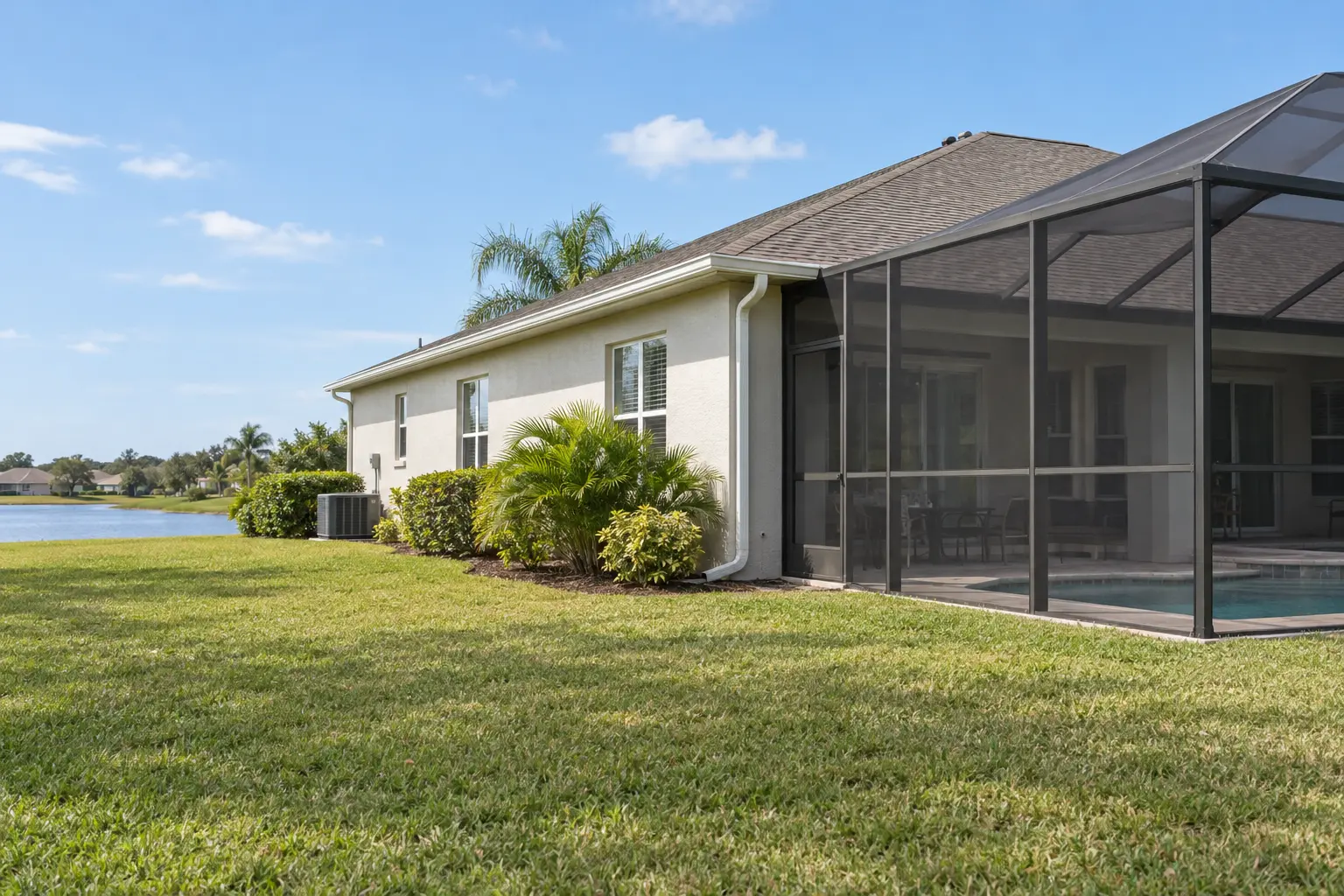
Illustrative Florida detached home with a visible roofline, gutters and downspout, beside a screened pool enclosure in clear daylight.

Planning your Florida second home

Florida homes for sale: home inspections explained for UK buyers

Our advice on inspections for Florida homes for sale: agree the right scope, leave time for follow-up and use the findings to make a purchase decision.

Our view: commission the right scope, then act on the findings

We would arrange an independent general inspection with enough time to discuss the report and commission warranted specialist follow-up before the contractual response deadline. For a home with a pool, an older roof or signs of moisture, agree what will actually be examined rather than assuming one appointment covers every concern.

Our recommendation is to turn the report into three lists: issues that could change your purchase decision, work needed before use and maintenance you can plan. Obtain written assessments or quotations where the decision depends on the cost or extent of a repair. We would not treat an appraisal, a four-point report or a wind-mitigation form as a substitute for the broader condition review. The useful result is a clearer decision about the home, not simply a report in the file.

How a Florida inspection compares with a UK survey

If you are considering Florida homes for sale from the UK, we recommend comparing inspection scope rather than relying on familiar survey labels. RICS Level 1 provides a basic condition overview; Level 2 adds more extensive assessment and maintenance or repair advice; Level 3 is the most comprehensive condition survey. A Florida general inspection serves a similar condition-checking purpose, but is not an exact equivalent to any level. Compare access, testing, exclusions and reporting, and assume neither valuation nor structural engineering is included. Our UK purchase overview covers the wider process. This page focuses on property condition; our Florida home insurance guidance addresses the separate task of choosing coverage.

Three inspections with different purposes

These reports answer different questions. An insurance-related inspection does not replace broader purchase-condition due diligence.

AspectGeneral home inspectionFour-point inspectionWind mitigation inspection
Main purposeDocuments the home's condition to support your purchase decision.Provides information on four systems, principally for insurance underwriting.Documents qualifying wind-resistant features for an insurer's consideration of premium credits.
ScopeReadily accessible structure, roof, electrical, plumbing, HVAC, interiors, exteriors and relevant site conditions.Roof, electrical, plumbing and HVAC, meaning heating, ventilation and air conditioning.Wind-resistant construction features recorded on the applicable verification form.
When it is usefulArrange within your contractual inspection arrangements, with time to review findings and seek follow-up.An insurer may request it, particularly for an older home; no single age threshold applies to every insurer.Relevant when documenting features for possible wind mitigation credits, not as a substitute for condition checks.
Important limitationsA limited visual assessment, not an investigation of every concealed component or a structural certification.A narrower report that neither replaces a general purchase inspection nor establishes insurance acceptance.Neither a general condition report nor a promise of storm protection or insurance savings.
What to confirmAgree scope and standards of practice, then ask which findings need specialist investigation.Confirm the insurer's requirements and distinguish system age, condition and operating concerns.Confirm the professional is qualified to sign the form; a general home-inspector license alone is not enough.

Property-specific checks worth discussing

Match additional checks to the property and the general inspection's findings, rather than assuming every service is included.

  • Roof condition and follow-up

    Ask about roof covering, flashing, ventilation, drainage and penetrations. Discuss whether visible concerns warrant a separate roofing assessment.

  • Heating and air conditioning

    Review equipment age, condition, operation and visible damage. Ask about specialist follow-up, not a predicted failure date or assumed replacement cost.

  • Pool and spa

    Agree scope and qualifications separately. Ask about equipment, finishes and safety features; a visual check is not leak detection or code certification.

  • Termites and other wood-destroying organisms

    Use an appropriately qualified pest professional. Reporting covers visible findings and access limits, not assurance that concealed damage is absent.

Turn the written report into practical decisions

A paid Florida home inspection must produce a written report identifying inspected systems or components considered significantly deficient or near the end of service life. It must explain concerns where they are not self-evident and identify components not inspected, with reasons. Read those limitations alongside the findings: an inaccessible area is not a clean bill of health. Repair-cost estimates are not required, so obtain specialist assessments and written quotations where warranted. For a roof, keep observed condition, estimated remaining life and an insurer's acceptance decision separate. Use evidenced repair and maintenance needs in your ownership budget, rather than treating the report as a priced repair specification.

Work backwards from your contractual deadline

Your signed purchase contract determines the inspection timetable and the options available afterward. There is no single inspection period that applies to every Florida purchase, and different contract forms can calculate time differently. Ask your Florida lawyer to explain the exact deadline, notice requirements and available responses before you rely on them. Discovering a defect is not the same as having a contractual remedy, and ordering further investigation does not automatically extend your time. Allow room for the report, discussion and warranted specialist follow-up before any response is due. Our offer-to-completion guidance places this work within the wider transaction sequence.

Top Villas Intelligence

Put your Florida shortlist in context

Review available ownership-cost information and nearby sales on eligible homes. Reports vary by property and do not replace inspections or confirm rental permission.

Sample: $118,400 gross rental revenue at 74% projected occupancy, $61,900 operating income and a 7.2% operating yield, with high confidence.

Your inspection planning checklist

Use this sequence to plan your inspection, adapting it to your signed contract and the services you agree.

  1. Record the deadline

    Ask your lawyer to confirm the exact contractual deadline, how it is calculated and the applicable property-local time. Record the corresponding UK time so a time-zone misunderstanding does not compress your review window.

  2. Verify who will inspect

    Check the named inspector's Florida license and status, rather than relying only on company marketing. Verify the relevant qualifications separately for wind mitigation, pool work or wood-destroying-organism reporting.

  3. Agree the scope

    Request the standards of practice and agree inclusions, exclusions and testing before commissioning the work. Identify any separate services you need, particularly where a pool, spa or pest assessment matters to your decision.

  4. Arrange access

    Coordinate property access for the inspector and any separately appointed specialists. Ask how restricted or inaccessible areas will be recorded, so you understand what the resulting assessment can and cannot tell you.

  5. Schedule your review

    Agree report delivery and request a discussion at a time that works in Britain and Florida. Ask for photographs and explanations of limitations, leaving room for questions rather than scheduling everything against the deadline.

  6. Resolve important questions

    Review significant deficiencies, components nearing the end of service life and anything not inspected. Obtain specialist findings or written repair quotations where warranted, distinguishing observed problems from matters that remain uncertain.

  7. Confirm the contractual response

    Discuss the findings and available contractual options with your lawyer before the deadline. Confirm any required notice and its timing; receiving a report or requesting further investigation does not itself extend your contractual period.

Questions about inspection scope and qualifications

Questions about reviewing findings and deciding what comes next

Continue through the UK buyer resources

Gaby Sadler, Property Specialist

Gaby Sadler

Property Specialist, Serhant

Bring your Florida inspection questions to Gaby

Tell me which Florida home you are considering and what you need to understand about its condition. I'll help organise the property information and questions for qualified inspectors while keeping your purchase timetable in view.

Find your Florida home with clearer questions

Choosing a Florida home for everyday living or time away starts with what suits you, but condition deserves its own careful review. We encourage you to bring questions about scope, access and follow-up to each purchase, rather than relying on a report's title alone. Once you understand the findings, you can consider the home alongside its maintenance needs and your plans for personal use. Our remote home-care guidance addresses the separate arrangements you may need after completion. Browse properties with those ownership questions in mind.

Browse Florida homes for sale