
Skip to content
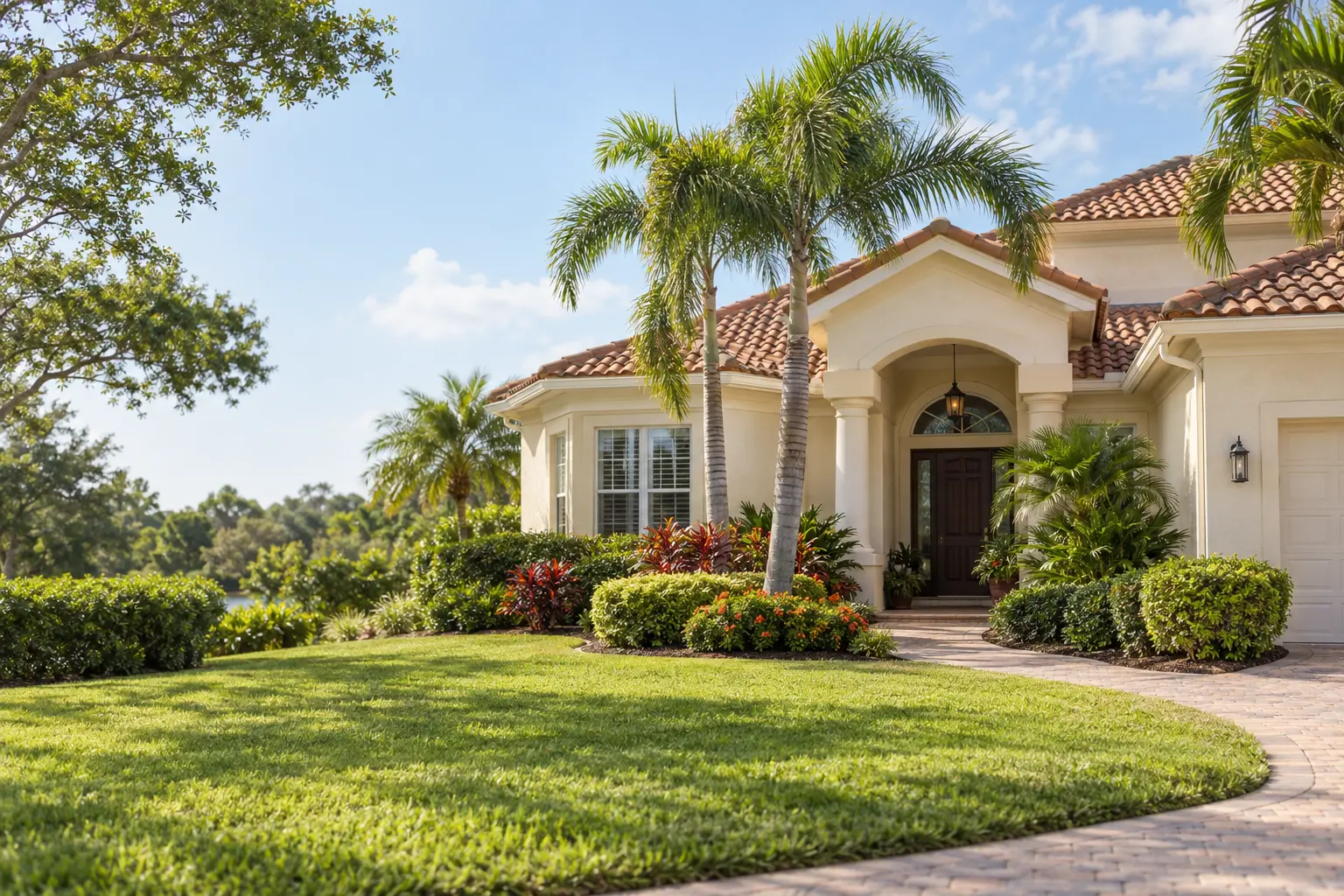
Elegant Florida-style detached home with a tiled roof, covered entrance and landscaped tropical garden in daylight.

UK buyer guide

Florida homes for sale: home insurance for UK owners

Comparing Florida homes for sale? Personal visits, paid letting and extended absences need different insurance checks before you commit.

Match the policy to how you will use the home

A furnished, unoccupied home is not automatically vacant. Insurance acceptance does not establish permission to rent under local or community rules.

AspectIntended useWhat to discloseCoverage to confirm
Personal usePersonal vacation homeSeasonal visits, furnishings and longest absence.Accepted secondary-home use and conditions while unoccupied.
Mixed usePersonal visits plus short-term rentalsBoth uses and the actual paid rental arrangement.Property damage, paying-guest liability and any rental-income protection; a landlord label alone is insufficient.
Changing useExtended vacancy or renovationFurnishings, time without occupants and planned work.Policy definitions of vacant versus unoccupied, and whether an endorsement or different policy is needed.

Explain your time in Britain before requesting quotes

Florida home insurance for UK owners starts with how you will actually use the property. As you compare Florida homes for sale, give a licensed insurance agent your UK main address, expected visits, longest uninterrupted absence, furnishings, other occupants, paid rental plans and proposed renovations. Discuss arrangements for property inspections, water, air conditioning, security and emergency access without assuming every insurer requires identical precautions. Request written confirmation of the accepted occupancy classification and conditions; there is no universal absence allowance. We explain the wider purchase process in our guide to buying Florida property from the UK. Use this insurance guide as general education, with property-specific advice from your licensed agent.

Check what each section actually protects

Replacement-cost settlement can initially withhold depreciation until qualifying repairs or replacement occur. Check each coverage section separately.

  • Dwelling

    Use rebuilding cost, not market value including land. Check that the estimate captures your home's finishes, specifications and construction costs.

  • Contents and valuables

    Building replacement cost does not establish contents replacement cost. Check depreciation, valuables limits and any separately insured items.

  • Personal liability

    Liability concerns covered injury or property-damage claims for which you are legally responsible. It is separate from building protection.

  • Loss of use

    Check loss-of-use limits and triggers. If you plan paid rentals, confirm any rental-income protection separately in the policy wording.

  • Structures beyond the house

    Ask which other structures, screened enclosures and pool cages are included. Check their limits and exclusions rather than assuming coverage.

  • Endorsements and exclusions

    Review law-and-ordinance costs, water backup, mould sublimits and preferred-contractor conditions. Endorsements can add protection or restrictions.

Treat flood and hurricane wind as separate risks

Hurricane wind coverage does not itself insure flooding or storm surge. Arrange flood protection separately; water-backup coverage is not a substitute. The National Flood Insurance Program (NFIP) generally offers residential limits up to $250,000 for buildings and $100,000 for contents, insured separately with separate deductibles. Those limits can leave substantial gaps for a luxury home. Private flood policies may offer different limits or broader protection, but compare the actual wording rather than assuming equivalence. NFIP excludes additional living expenses, business interruption and loss of use, as well as outdoor swimming pools, docks and seawalls. Consider those features separately when discussing the property's flood exposure with your licensed agent.

Understand the storm deductible before choosing it

Percentage hurricane deductibles use the insured dwelling or structure limit, not purchase price or repair cost. Hurricane, named-storm and wind/hail triggers differ. Florida's hurricane period begins with a hurricane warning anywhere in Florida and ends 72 hours after the last hurricane watch or warning anywhere in Florida ends. Personal-lines calendar-year treatment generally aggregates covered hurricane losses with the same insurer or group. For later claims, the greater of the unused hurricane deductible or all-other-perils deductible applies; the latter can still apply after the hurricane deductible is exhausted. Have your agent review high-value and surplus-lines wording specifically rather than assuming these rules apply universally.

Check the roof and arrange the right inspections

Section 627.7011 has policy-scope exclusions: condition and underwriting still matter. Do not assume its roof rules cover every rental or specialist policy.

  • Four-point inspection

    Reviews roof, electrical, plumbing and heating/air conditioning for underwriting. Requirements depend on the insurer, not a universal statewide rule.

  • Wind-mitigation inspection

    A qualified inspector documents roof construction, connections and opening protection on the prescribed form for possible credits, not a fixed saving.

  • Roof age: 2026 homeowners rules

    Age alone cannot bar roofs under 15; older roofs have an authorised-inspection route, with at least five years' useful life preventing age-only refusal.

Buying a condo? Read the master policy alongside HO-6

The association master policy does not replace your unit-owner policy, commonly called HO-6. Personal belongings and owner-responsibility interiors, including coverings, appliances, cabinets and countertops, need attention alongside liability. Review the master-policy declarations, deductibles, governing documents and your unit's improvements together to identify responsibilities and gaps. Our Florida condo documents guide helps you organise that wider review. Ask how loss-assessment coverage treats insured perils, limits and master-policy deductibles. It does not automatically pay every association assessment: maintenance, reserve funding and uninsured assessments should not be treated as covered. Match your unit coverage to the actual documents, not simply the association's stated insurance limit.

Your insurance quote-comparison worksheet

Compare identical disclosed use and requested limits, not premium alone. Complete both columns from written quotations and policy wording.

AspectItem to compareQuestion for your licensed agentQuote AQuote B
OccupancyUK residence, absences and rentalsIs my full occupancy pattern accepted in writing?Record acceptanceRecord acceptance
PolicyInsurer and policy formWhich insurer, form and endorsements apply?Record detailsRecord details
BuildingDwelling limit and rebuilding basisDoes the estimate reflect my home's specifications?Record basisRecord basis
BelongingsContents and valuablesWhat settlement basis and valuables limits apply?Record termsRecord terms
Outdoor featuresOther structuresWhich structures are included, limited or excluded?Record exclusionsRecord exclusions
LiabilityPersonal and paying-guest liabilityDo limits and exclusions suit all intended uses?Record limitsRecord limits
Interrupted useLoss of use and rental incomeWhat covered events, limits and periods apply?Record wordingRecord wording
StormsWind and every deductibleIs wind included? List deductible percentages, dollars, triggers and frequency.Record amountsRecord amounts
FloodFlood protectionWhat limits, deductibles and second-home settlement apply?Record termsRecord terms
Policy changesEndorsements and restrictionsWhat exclusions, sublimits and contractor conditions apply?Record conditionsRecord conditions
UnderwritingInspections and repairsWhat remains outstanding before binding?Record requirementsRecord requirements
Cost and timingTotal cost and commencementConfirm annual total with charges, payment, quote validity, binding conditions and effective date/time.Record confirmationRecord confirmation

Arrange coverage before closing, not as a last-day task

A quote alone is not coverage. Establish what must happen before the insurer will bind the policy.

  1. Request written quotes

    Request comparable written quotes early, disclosing your full occupancy and rental plans. Use the same requested limits and retain the coverage details.

  2. Clear underwriting requirements

    Resolve inspections, outstanding repairs and lender requirements. Our [vacation-home mortgage guide](/guides/vacation-home-mortgage-options) explains the wider financing considerations.

  3. Check flood timing and storm restrictions

    NFIP normally has a 30-day wait. A qualifying mortgage exception depends on application and payment, not simply a closing or cash purchase. Private flood timing differs. Ask about insurer-specific storm suspensions that may block new or increased coverage.

  4. Confirm coverage for closing

    Arrange binding in advance. Obtain written confirmation of the effective date and time for closing, and confirm payment and any remaining conditions have been satisfied.

Questions UK owners often need answered

Gaby Sadler, Property Specialist

Gaby Sadler

Property Specialist, Serhant

Ask Gaby what to check about Florida home insurance

I can arrange viewings, answer your questions and prepare a personalized rental projection for any home you're considering.

Choose your Florida home with ownership costs in view

Assess insurance alongside location, layout and how you intend to use your home. We can help you explore properties and discuss your ownership priorities, while a licensed insurance agent assesses coverage for your circumstances. Start with homes that suit your plans, then investigate their insurance requirements early.

Browse Florida homes for sale