
Skip to content
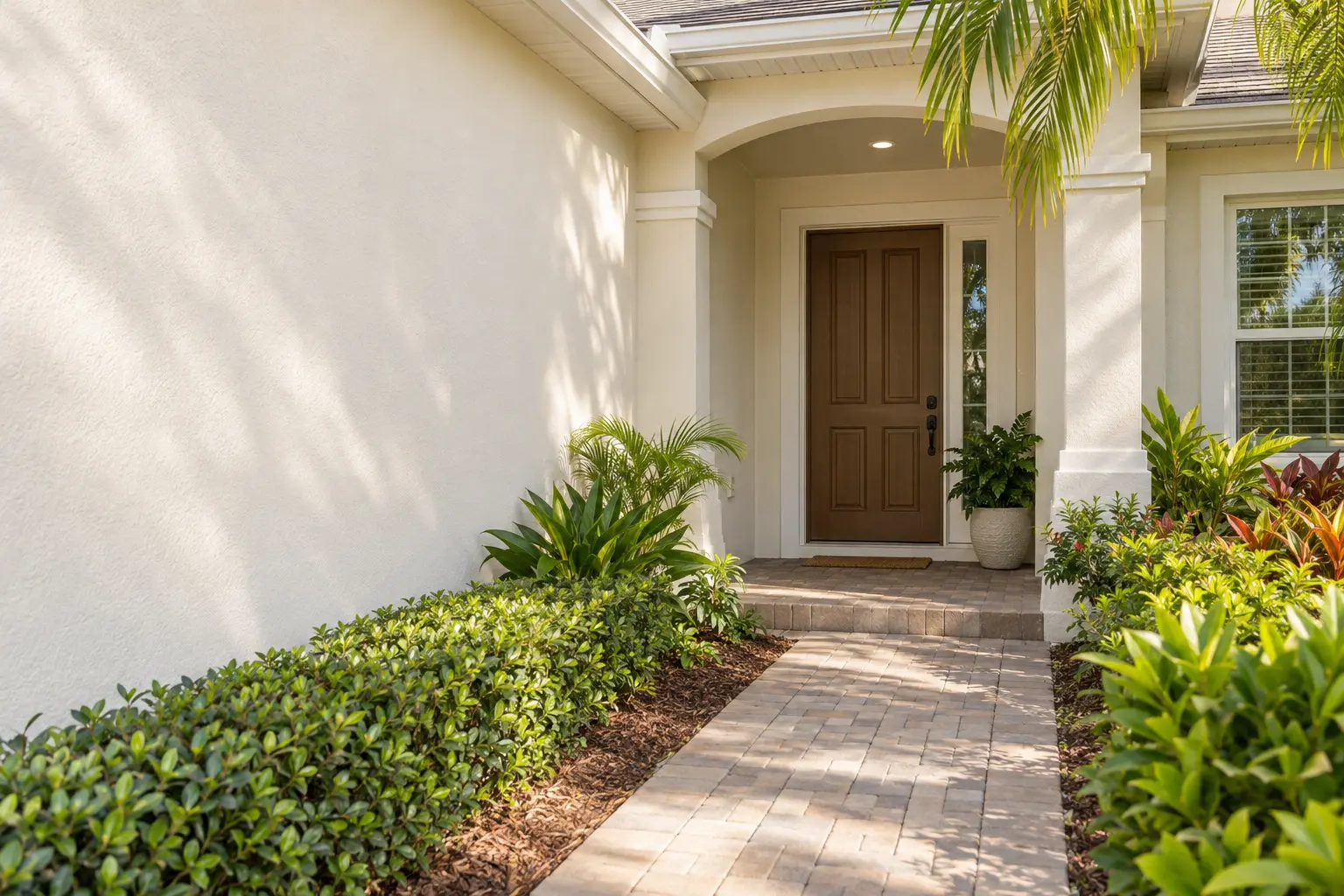
Sunlit path leading to a covered Florida home entrance, framed by tropical planting and a warm neutral stucco exterior.

After closing

Florida homes for sale: Your first 90 days as a holiday-home owner

Our recommendations after choosing from Florida homes for sale: secure the handover, establish local support and test the setup before your next absence.

Our view: make the home ready to leave as well as ready to enjoy

We recommend treating handover as the start of an operating plan, not the end of the purchase. Before spending on decorative changes, establish insurance continuity, essential services, secure access and a named local contact. Those are the foundations that let you use the home and return to Britain with the arrangements understood.

Our first priorities would be to test keys and devices, record the property's condition and confirm who handles urgent problems. Then organise the household file and agree the ongoing care plan. Spend on furnishings and improvements in the order your own visits require, rather than trying to complete every project at once. The first 90 days are a planning framework; urgent protection and safety matters belong at the start.

From completed purchase to a home you can use

If you are comparing Florida homes for sale or have just closed, we can help you organize the transition to a usable holiday home. This checklist starts where the offer-to-completion process ends, focusing on initial setup rather than ongoing remote care. Days 1 to 7, weeks 2 to 4 and months 2 to 3 are planning windows, not legal deadlines or permission to delay urgent checks. You do not need to spend 90 consecutive days in Florida; this schedule gives no permission to stay. For the wider purchase context, see our guide to buying Florida property from the UK.

At handover: confirm protection is in place

Confirm insurance continuity at handover, rather than leaving it for a later stage. Retain the issued policy and declarations, check the effective date and insured details, and ask the insurer to confirm that seasonal use, absences and any proposed letting match your coverage. Ordinary homeowners insurance generally excludes flooding. Hurricane damage may carry a separate deductible; a percentage hurricane deductible relates to the insured dwelling or structure limit, not your purchase price. National Flood Insurance Program policies normally have a 30-day waiting period, with specified exceptions, so buying cover after closing does not necessarily provide immediate protection. Our Florida home insurance guide for UK owners explains the coverage questions to address.

Days 1 to 7: secure access and essential services

Confirm essential services and safe access at handover. Use the first week to complete the practical setup, not to postpone urgent checks.

  1. Take control of physical access

    Account for every key, garage remote and access card, including copies held by others. Arrange appropriate lock or code changes after checking property restrictions. Confirm how anyone authorized to help in an emergency will gain access, and test the arrangements rather than relying on a written code alone.

  2. Transfer device administration

    Identify connected locks, thermostats and other devices included with the home. Follow each manufacturer's ownership-transfer procedure, establish your own administrator access and remove previous access where appropriate. Keep the relevant instructions with your home records and check that you can use the controls you will need while away.

  3. Check utilities and account access

    Confirm electricity, water and other essential services are active for your ownership period. Ask each provider about required documents, start dates, billing and accepted payment methods. Establish who holds the account and who is authorized to discuss it. Test online access and check where bills and service notices will arrive.

  4. Complete association onboarding

    Confirm the association has your ownership details, correspondence address and emergency contact. Obtain current rules, account access and payment instructions. Ask about parking credentials, amenity access and the home's actual key policy. Ownership does not automatically establish every access privilege, so resolve those details before relying on shared facilities.

  5. Check safety before use

    Test smoke alarms and check installed pool barriers, covers and alarms before family or invited guests use the home. Locate the water shut-off and electrical panel, and record their positions. Follow equipment instructions and address defects promptly. A screen enclosure or completed checklist does not make a pool childproof.

Weeks 2 to 4: document the home and organize support

Document what you own and establish support for the property's needs. Urgent leaks, safety issues and essential repairs cannot wait for this stage.

  • Create a photographic inventory

    Photograph rooms and contents, retaining receipts or ownership evidence for substantial purchases. Save a copy you can access from Britain.

  • Separate condition from setup spending

    Keep the factual condition record separate from your shopping list. Identify missing essentials before committing to replacement purchases.

  • Build your ownership records

    Organize closing papers, policies, warranties, manuals and service records in one secure file, with backups available away from the property.

  • Check cooling and moisture control

    Check cooling and drains against equipment instructions. Keep humidity below 60%, ideally 30 to 50% where possible. Address leaks promptly.

  • Establish maintenance contacts

    Agree service scope and emergency escalation. Verify an active, valid license for work requiring one; not every home service needs state licensing.

Top Villas Intelligence

Put your Florida shortlist in context

Review available ownership-cost information and nearby sales on eligible homes. Reports vary by property and do not replace inspections or confirm rental permission.

Sample: $118,400 gross rental revenue at 74% projected occupancy, $61,900 operating income and a 7.2% operating yield, with high confidence.

Set up your storm plan before you need it

Storm preparation belongs before it is needed, whatever stage your setup has reached. Identify the evacuation information for your address, save local alert details and follow local officials' instructions. Coastal and inland arrangements differ, and not every county has designated evacuation zones. Evacuation information is not a substitute for assessing insurance flood risk. Keep insurance contacts and document backups accessible from Britain. Agree who may be able to secure the home, what they would do and how they would contact you, without assuming attendance during a storm. Make these responsibilities explicit while conditions are calm, and keep the plan available to anyone authorized to help.

Months 2 to 3: test the setup and prepare for personal use

Use this stage to test and refine your setup. Bring safety checks and urgent work forward whenever needed, especially before your first visit.

  1. Test the setup from Britain

    Test utility, association and relevant device accounts from Britain. Confirm you can receive notices, view bills and use the payment arrangements you established. Resolve access problems while you have time to contact the provider, and check that any authorized account user understands what they can handle for you.

  2. Prepare a usable household file

    Assemble a concise household file with access instructions, equipment information, emergency contacts and association rules. Include the water shut-off and electrical-panel locations. Keep sensitive access details secure and share only what each authorized person needs. Make the file practical enough to use when you are not there to explain.

  3. Check readiness for your own visits

    Before personal visits or invited guests arrive, check access arrangements and outstanding safety issues. Test smoke alarms monthly and follow manufacturer maintenance instructions. Recheck installed pool safeguards and explain relevant household and community rules. Preparing for family use is not the same as establishing permission for paid holiday letting.

  4. Move from setup to continuing care

    Review unresolved repairs, missing records and account problems, assigning a next action to each. Confirm who handles future checks and emergencies before treating setup as complete. For the arrangements that continue beyond these first months, use our guide to managing your Florida home from the UK.

Questions about the first weeks of ownership

Questions about absences, readiness and future use

Continue through the UK buyer resources

Gaby Sadler, Property Specialist

Gaby Sadler

Property Specialist, Serhant

Prepare your Florida ownership handover with Gaby

Tell me when you expect to take ownership and when you will next be in Florida. I'll help you organise the property handover questions and identify the local contacts and records to have ready for your first visits.

Plan for ownership as well as the purchase

If you are still choosing a home, we suggest using this checklist to look beyond the closing date. Consider how you will gain access, organize essential services, prepare for absences and enjoy your own visits. Include replacement items and initial setup in your ownership budget, rather than treating them as an afterthought. Browse properties with those practical needs in mind, alongside the location, layout and community facilities that matter to you.

Browse Florida homes for sale