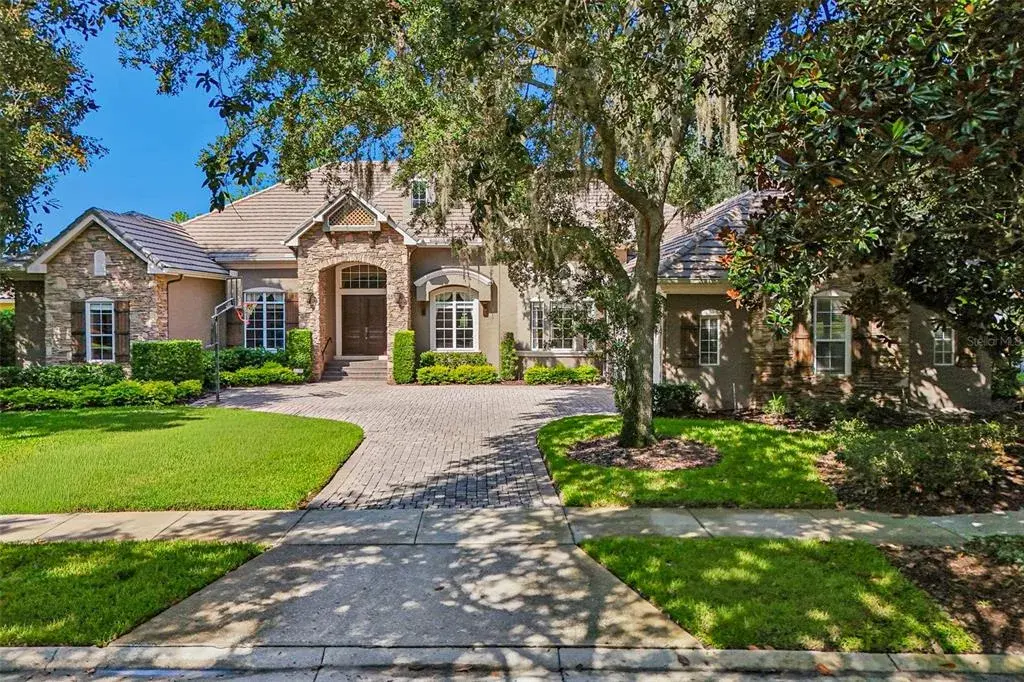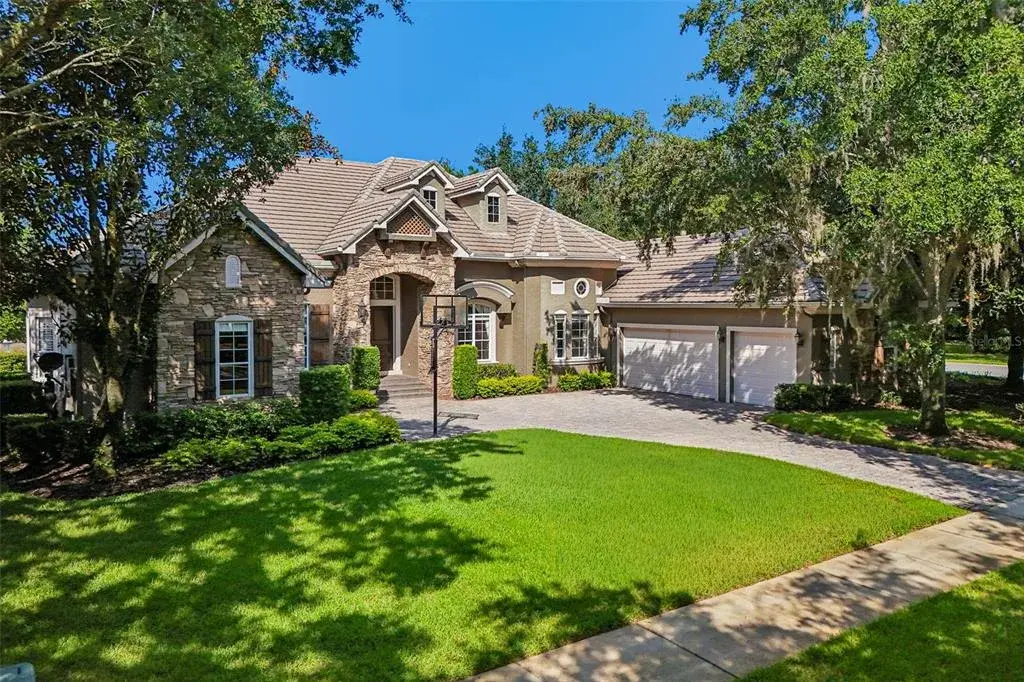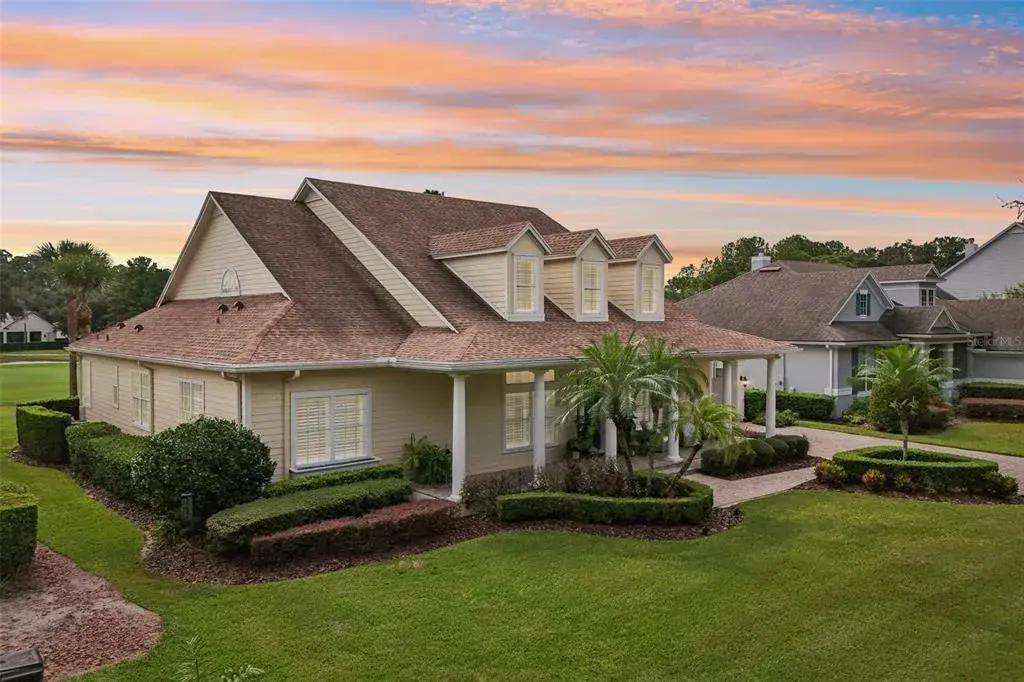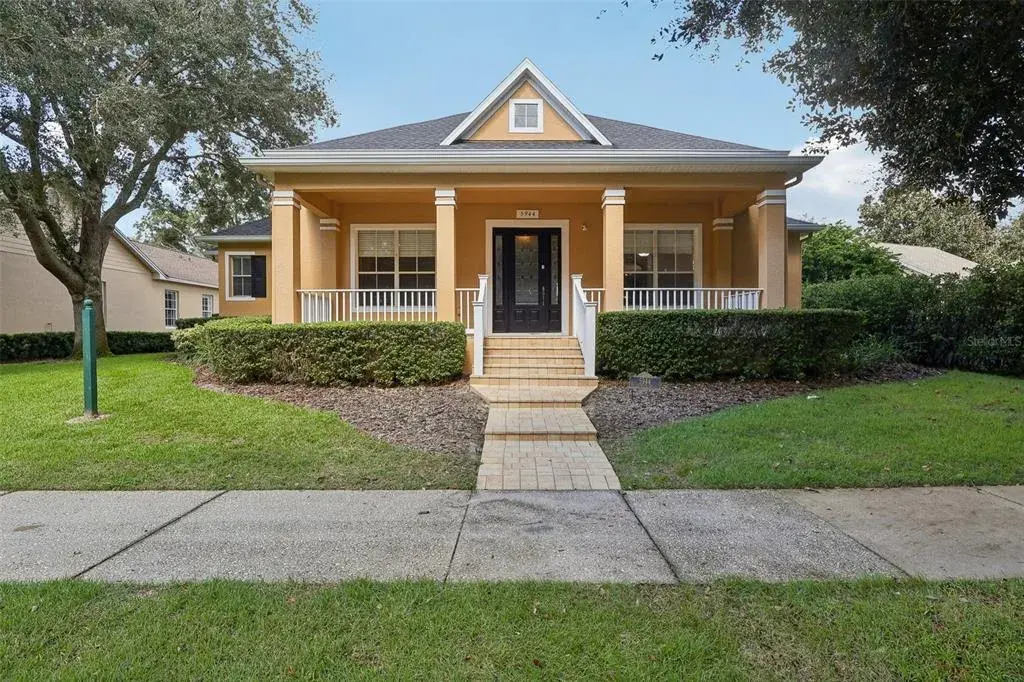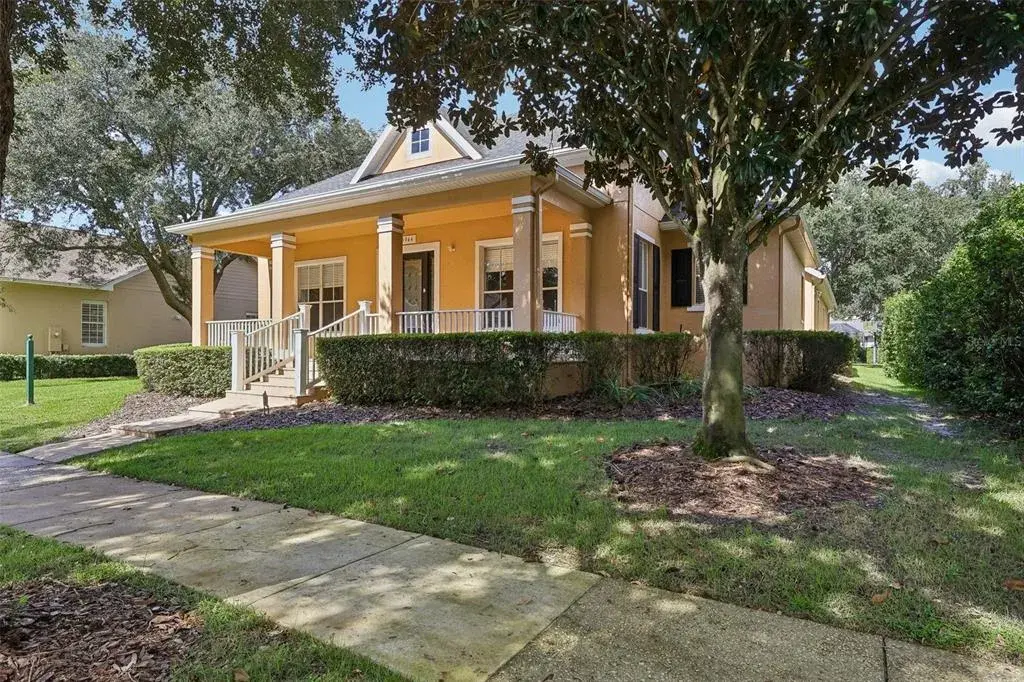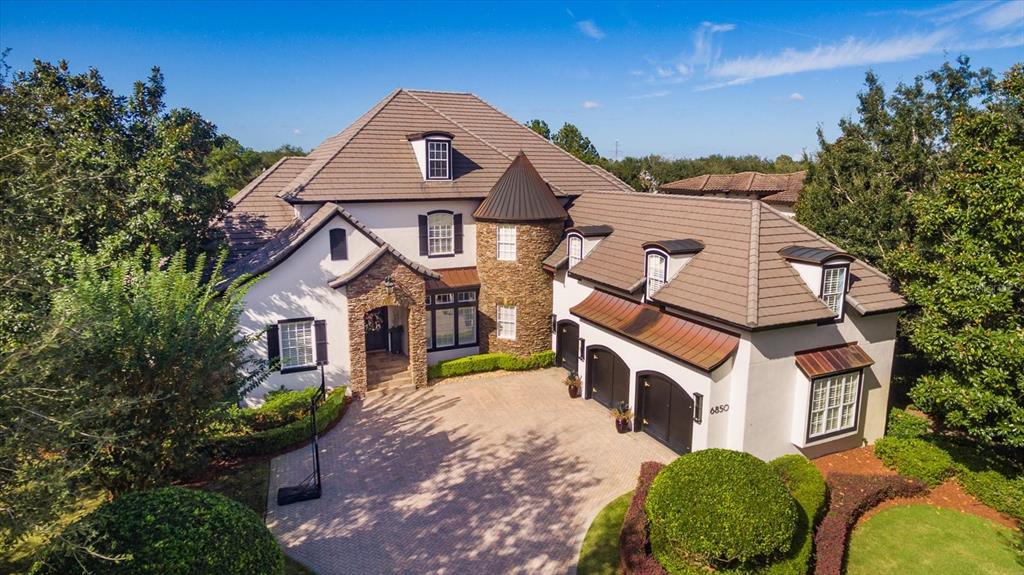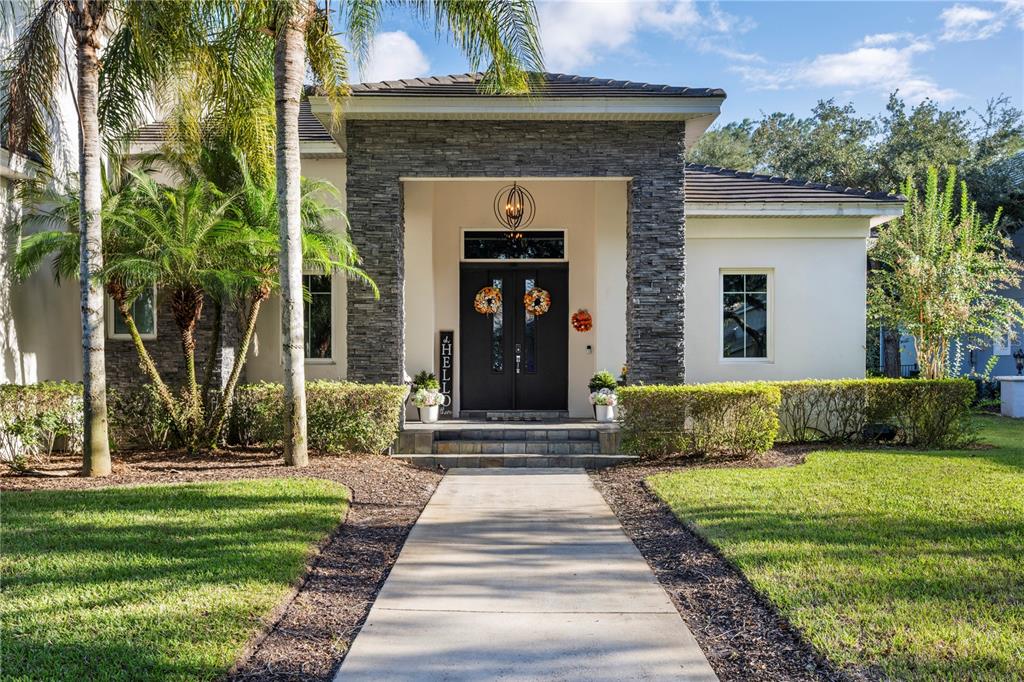
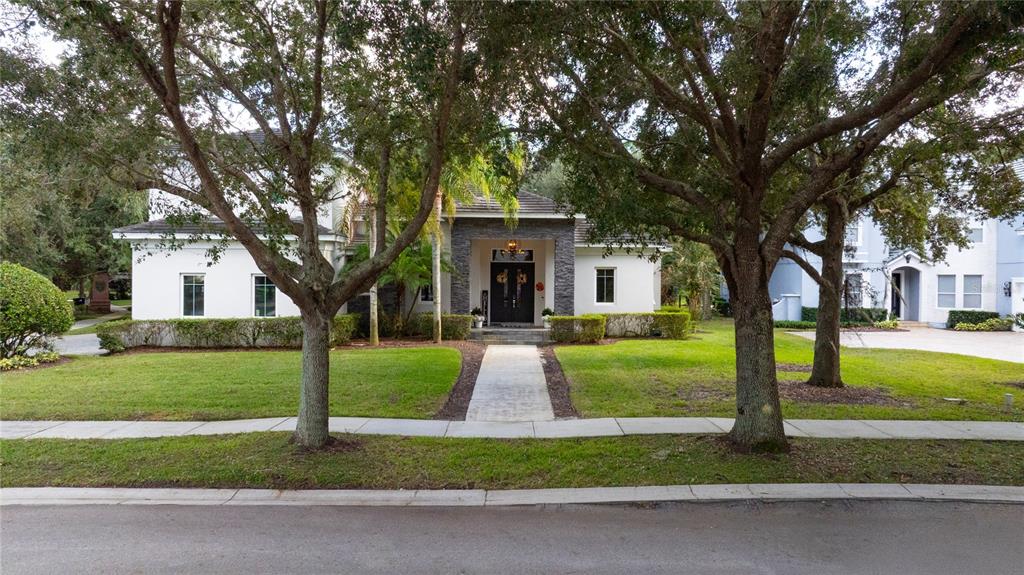
 3 days on market
$2,650,000
8205 Stonemason CourtWindermere, FL, 34786
- 6 beds
- 6 baths
- 5,706 sqft

Windermere buyer’s guide
Compare Keene’s Pointe homes for sale with our team. Explore our HOA fee guide and review the actual property's setting and ownership details.
The live listings provide a mapped property comparison. Review the specific home's condition, service inclusions and ownership obligations before relying on a community description.
Compare Keene’s Pointe homes for sale with the residential association charges, separate club arrangements and the upkeep of the actual home. Our team helps you organize the property information.
Start with the residential association's current budget, assessment schedule and parcel-specific closing information. Keep the Golden Bear Club and private-home costs separate. We help you organize these documents so that comparisons reflect the home you are considering.
Treat each category as a separate question until you have figures for the property you are considering.
| Aspect | What to budget | Where to check |
|---|---|---|
| Residential HOA | Regular residential association assessment | Adopted budget and assessment schedule; confirm the parcel’s amount and frequency in its estoppel |
| Golden Bear Club | Membership pricing if relevant; check any property-specific obligation | Current club terms and pricing, plus the property’s documents |
| Transaction charges | Any applicable estoppel preparation, capital-contribution or transfer-related charge | Parcel estoppel, contract and closing statement |
| Home ownership | Property taxes, insurance, utilities and care of the home and grounds | County tax tools, property-specific estimates, inspection and governing documents |
Request the adopted budget and current assessment schedule from the association, along with its recent financial report, reserve information and governing documents. The schedule should establish the assessment and billing frequency; the budget helps you understand what the association plans to fund. Florida’s 2026 association-records provisions address budgets and financial reports, but they do not supply a Keene’s Pointe dues figure. Read the documents before converting a periodic charge into a monthly planning amount. If a listing describes included services, compare that description with the current association documents rather than assuming it is complete.
Use current community records and a parcel-specific estoppel, then compare both with your transaction documents.
Ask the association for its adopted budget, assessment schedule, financial report, reserve information and governing documents. Note the dates on what you receive.
Read the budget and recent board records for planned work or proposed assessments. Separate documented charges from projects still under discussion.
During the transaction, obtain an estoppel for the specific parcel and check its assessment frequency, paid-through date and any other amounts it lists.
Compare the estoppel and current association records with the contract and closing statement, including which party is assigned any applicable transaction charge.
Florida’s 2026 estoppel form calls for the parcel’s periodic assessment and billing frequency, paid-through date, sums owed and scheduled assessments. It also provides entries for applicable capital-contribution, resale or transfer fees. Those form fields do not mean Keene’s Pointe charges every listed fee. Check the completed certificate for the home you are buying. An estoppel preparation charge is a different item from a transfer-related charge; compare any amounts with the contract and closing statement to establish who is assigned each one. This is a transaction check, not a substitute for reviewing the broader association records.
A regular assessment is not the only association charge worth checking. Read recent budgets and board records for planned projects and discussion of proposed assessments, then review the parcel’s estoppel for any scheduled assessment listed there. Ask how a proposed or scheduled charge would affect the property you are buying and when it might be due. These checks help you see beyond the routine payment without assuming that an extra assessment is pending or that one cannot arise later. Keep any documented additional charge separate from ordinary dues in your comparison.
The Golden Bear Club describes golf and social membership options, with access depending on the membership type. Its membership page does not publish initiation fees or dues. Do not treat golf, pool, tennis or fitness access as a benefit paid for by the residential HOA assessment. If club use matters to you, ask the club for its current membership terms and pricing, then check the documents for the home you are considering for any property-specific obligation. Keep any club costs on a separate line of your budget until you have those answers.
For a home you are considering, search its address or parcel in the Orange County Property Appraiser’s tax estimator and review existing records through the county tax collector. Use those as distinct tools: the records show a property’s existing tax history, while an estimate helps you plan for your own purchase. A seller’s bill may reflect circumstances that will change. Florida’s Department of Revenue explains that a change of ownership can remove the seller’s Save Our Homes assessment benefit. Build your budget around a parcel-specific estimate rather than copying the current owner’s tax bill.
Association charges are not the full cost of caring for a home. Set aside separate estimates for insurance, utilities and upkeep of the house and grounds, using the property’s condition and features rather than a community-wide assumption. During your review, inspect the home and read its governing documents to identify which maintenance tasks fall to its owner. Ask for property-specific insurance estimates and consider the condition of major systems and outdoor areas when planning repairs. Do not assume that an association assessment or a club membership pays for residential maintenance.
Explore our Keene’s Pointe homes for sale guide for properties and community context. Compare Isleworth homes for sale, Keene’s Pointe homes for sale and Lake Butler Sound homes for sale around your priorities.

Gaby Sadler
Property Specialist, Serhant
Considering Keene’s Pointe homes for sale? I'll help you apply this HOA fee guide to your shortlist, compare the actual property and ownership details, and plan your next steps.
The useful question is not just what an HOA field says, but what the current documents show for the home you want to buy. Ask us about a property you are considering, and Gaby can help you request association records and compare recurring expenses with possible charges at closing. Keep the club, taxes, insurance and upkeep visible as separate items while you weigh your choices. Once you have a home in mind, we can help you work through the questions its documents raise.
 4-Bedroom Homes for Sale in Keenes Pointe FL5-Bedroom Homes for Sale in Keenes Pointe FL6-Bedroom Homes for Sale in Keenes Pointe FL